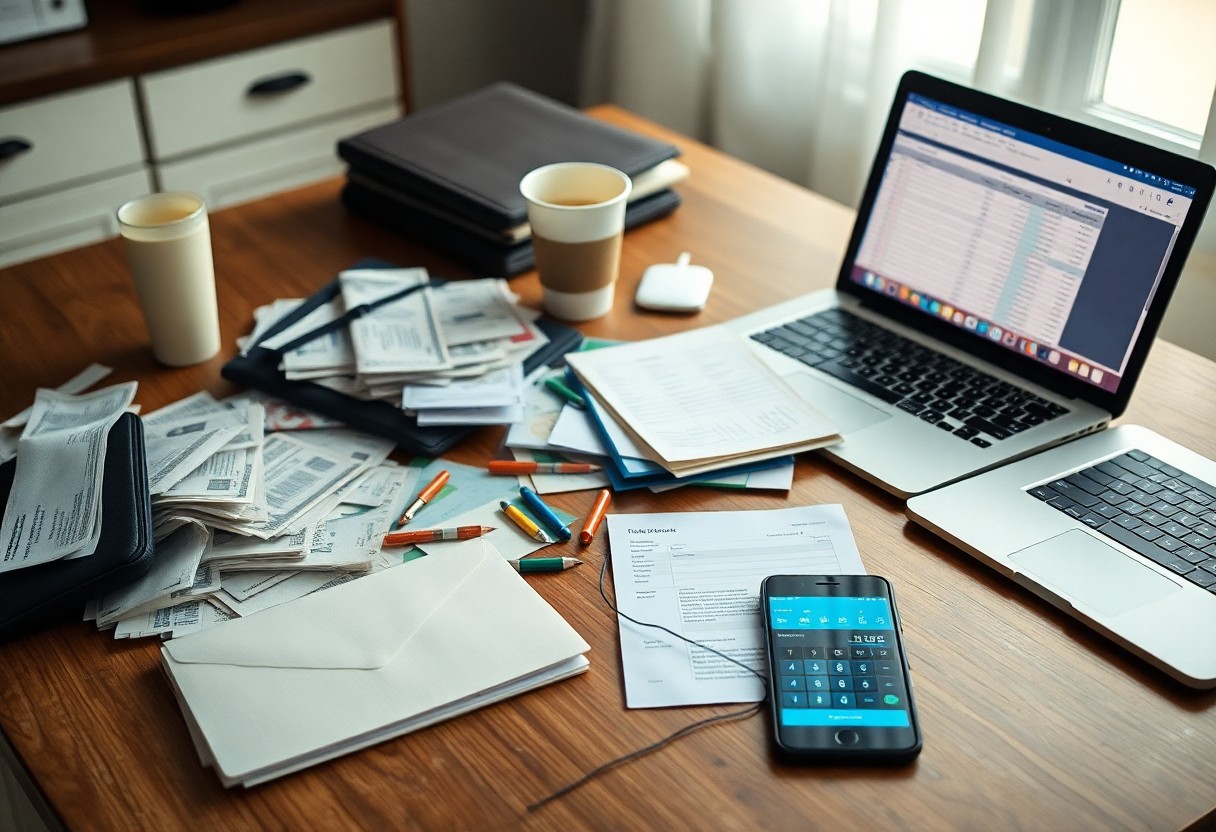
What Are the Most Common Daily Budgeting Mistakes and How Can You Fix Them?
Most people underestimate small daily expenses, neglect tracking, skip an emergency buffer, set unrealistic categories, or fail to automate savings; these habits derail financial goals. You can fix them by logging every expense, creating realistic daily spending limits, automating transfers to savings, reviewing your budget weekly, and building a small emergency fund. Adopt simple rules-round up, limit impulse purchases, and adjust categories as your needs change-to regain control of your money.
Understanding Daily Budgeting
Your daily budget breaks spending into manageable chunks so you can control cash flow, meet obligations, and prioritize short-term goals; by planning what you’ll spend each day, you limit impulse buys, ease month-end pressure, and build consistent habits that support larger financial objectives.
Importance of Budgeting
At its core, budgeting gives you a clear map of where your money goes so you can make intentional choices, set priorities, and reduce surprises; when you track daily outflows you spot patterns, free up funds for goals, and lower stress from unexpected expenses.
Common Budgeting Techniques
Before selecting a system, assess your income stability and spending habits-common approaches include 50/30/20, zero-based budgeting, envelope methods, and automated app-driven rules; each allocates needs, wants, and savings differently, so choose one that matches your discipline and goals.
Also test your chosen method for 30 days, use separate accounts or virtual envelopes for categories, automate transfers for bills and savings, set a small daily buffer for surprises, and review weekly so you can adjust limits as your spending patterns change.
Identifying Common Budgeting Mistakes
Clearly you often overlook small recurring charges, emotion-driven purchases, and gaps in tracking that make your budget inaccurate; identifying these common errors helps you prioritize fixes, reduce financial stress, and align spending with goals by reviewing statements, categorizing expenses, and noting patterns weekly.
Underestimating Expenses
One common error is undercounting irregular or seasonal costs, which leaves you with shortfalls; you should track all spending categories for months, add buffer amounts, and update estimates when bills or habits change to keep your daily budget realistic.
Lack of Flexibility in the Budget
By locking spending into rigid categories without allowances for surprises or lifestyle shifts, you make your budget brittle; you should build adjustable envelopes, reallocate funds monthly, and set outcome-based limits so your plan adapts to real life.
Underestimating the frequency and impact of unexpected events forces you to abandon budgets; include a dedicated emergency buffer, schedule quarterly reviews, and practice flexible reallocation so you can absorb shocks without derailing savings or crucial payments.
Planning for Irregular Expenses
The best approach is to list irregular costs, estimate annual totals, divide by pay periods, and automate transfers into dedicated saving buckets so your daily budget isn’t derailed when those bills arrive.
Seasonal Costs
Seasonal costs like heating, holiday gifts, and back-to-school supplies are predictable; forecast them, divide the annual amount across months, and automate transfers so you avoid spikes that force you to cut crucials.
Emergency Fund Considerations
Emergency funds should cover 3-6 months of your crucial expenses, be kept in an accessible account, and be funded before noncrucial savings so you protect your day-to-day finances from unexpected job loss or major repairs.
Also, prioritize building a starter emergency fund of $500-$1,000, then work toward your full target; review annually and adjust for changes in your income, dependents, or fixed costs, and avoid tapping it for planned purchases.
Ignoring Small Purchases
Once again you underestimate how micro-purchases erode your budget; a coffee, app subscription, and impulse snack add up fast. Track every small outlay, set limits for discretionary categories, and shift recurring little expenses into your monthly review so you stop losing control of savings goals.
Cumulative Impact of Small Expenses
For example, if you spend $4 daily on coffee, you would lose over $1,400 a year; when you tally lunches, rideshares, and streaming extras, those sums become meaningful. You can curb them by allocating a modest daily allowance and reviewing totals weekly to spot patterns.
Tracking Daily Spending
Spending without quick recording makes small purchases invisible; you should log transactions immediately using an app, photo receipts, or a simple notes file. By assigning each outlay to a category, you force accountability and can adjust behavior before habits harden.
Expenses tracked in real time reveal trends-days, vendors, or moods that trigger overspending-so you can set replacement habits, batch purchases, or automate limits. Make a brief nightly review part of your routine and reconcile with your bank alerts to catch unnoticed charges.
Failing to Review and Adjust the Budget
Keep your budget from becoming a static plan by reviewing it weekly or monthly; if you ignore shifts in income, bills, or priorities you’ll overspend and miss goals. You should track variances, cut or increase category limits, and reallocate surplus toward debt or emergency savings. Making small adjustments keeps your daily spending aligned with long-term objectives and prevents surprises.
Importance of Regular Check-ins
One regular check-in gives you a snapshot of where your money is going and lets you correct course before problems compound. During short reviews you compare planned versus actual spending, spot subscriptions to cancel, and confirm progress toward targets. Weekly quick checks and monthly deep reviews balance oversight with time efficiency so you stay in control without obsessing.
Tools for Budget Analysis
At your disposal are apps, spreadsheets and bank alerts that automate tracking, categorize transactions and highlight trends you’d miss manually. Use tools that sync securely with accounts, allow custom categories, and create visual reports so you can quickly identify overspending and adjust limits. Pick tools that fit the time you’ll commit – simple ones for daily use, more robust for monthly deep dives.
And you can enhance analysis with features like forecasting, trend comparisons, and scenario planning that show how one change affects your month; rule-based categorization reduces manual work and alerts notify you of unusual activity. Exportable reports help you share info with advisors or validate tax-deductible expenses. Combine several tools so you have both quick daily visibility and deeper monthly insights.
Seeking Guidance and Resources
Now that you’re building a daily budget, seek guidance from trusted sources-financial advisors, peer groups, and reputable websites-to refine your plan, prevent common pitfalls, and align spending with your goals. You should combine expert advice with practical tools and community support so your budget stays realistic, adaptable, and focused on measurable progress.
Budgeting Apps and Tools
Any budgeting app you choose should match how you manage money: automatic tracking, customizable categories, bill reminders, and secure syncing with accounts. You should test free trials, prioritize data privacy, and pick simple features that help you consistently log expenses and meet spending limits rather than chasing every shiny function.
Financial Education Resources
Resources like books, accredited courses, podcasts, and nonprofit counseling teach you core principles-budgeting, debt reduction, emergency funds, and basic investing-so you can make informed choices. You should prefer evidence-based content, follow instructors with credentials, and apply lessons directly to your personal budget for measurable improvement.
Resources from government sites, consumer protection agencies, and libraries give free, unbiased guidance; massive open online courses and community workshops offer structured learning. You should vet sources for accuracy, practice with sample budgets, and gradually implement strategies so skills stick and your daily budgeting decisions become more confident and effective.
Final Words
Summing up, you often trip over daily budgeting mistakes like not tracking small purchases, skipping a realistic buffer, letting debt interest grow, and failing to adjust your plan; you fix them by tracking every expense, automating savings and bills, setting modest daily limits, building a short-term emergency buffer, reviewing and tweaking your budget weekly, and prioritizing high-interest debt repayment so your plan stays reliable and under control.