How Can You Budget Daily Without Feeling Restricted?
Budgeting daily becomes manageable when you set simple rules that align with your priorities: track small expenses, allocate fixed amounts for necessarys and wants, use automatic transfers to save, and review your plan briefly each evening to adjust. By treating budgeting as a flexible habit rather than a set of prohibitions, you keep control of your finances while still enjoying life.
Understanding the Importance of Budgeting
While budgeting may seem like a set of limits, it actually gives you clarity and control over your finances, helping you prioritize spending, avoid surprises, and make decisions aligned with your goals so you can spend confidently without guilt.
What is Budgeting?
Importance of budgeting lies in allocating your income to needs, wants, savings, and debt repayment so you can see where each dollar goes, set realistic targets, and adjust habits to keep your finances aligned with your priorities.
Benefits of Daily Budgeting
Among the benefits of daily budgeting is increased awareness of small purchases, faster course correction when overspending occurs, reduced impulse buys, steady progress toward goals, and the ability to enjoy discretionary spending without derailment.
What daily budgeting does is turn big goals into manageable choices: tracking your small wins builds positive habits, you can set micro-limits for categories, use apps or cash envelopes, and quickly reallocate funds so unexpected expenses don’t derail your plan.
Mindset Shifts for Successful Budgeting
The most effective budget begins with a mindset shift: you move from restriction to empowerment by treating your plan as guidance, not punishment. When you frame choices around goals and values, you stay motivated, adjust without guilt, and build habits that make daily budgeting feel natural and supportive of your life.
Viewing Budgeting as a Tool, Not a Trap
Between tracking expenses and prioritizing outcomes, you can use your budget to highlight opportunities-savings, experiences, and security-rather than focus on limits. You control where money flows, set flexible categories, and revisit allocations so the plan serves your priorities and grows with your needs.
Embracing Flexibility in Spending
Viewing your budget as adaptable lets you allocate funds for spontaneity, treats, and unexpected moments while still meeting goals. You build buffer zones and swap category amounts monthly, so daily choices feel liberating, not punitive, and you maintain progress without sacrificing your small pleasures.
Trap yourself into freedom by creating clear guardrails: assign a discretionary fund, use percentages for importants vs wants, set weekly review checkpoints, and apply simple if-then rules (if savings goal met, increase fun fund). You can adapt when circumstances change while protecting core goals and enjoying daily spending.
Setting Up a Daily Budget
Even when you want flexibility, a daily budget gives you control: divide your monthly income into daily limits, prioritize vitals, assign funds for savings and debt, and set a small discretionary allowance. Track purchases each day and adjust a day ahead if you overspend. This approach keeps spending conscious without making you feel locked into rigid rules.
Assessing Your Income and Expenses
On assessing income and expenses, tally all income sources and list fixed and variable costs. Convert monthly figures to daily averages so you see realistic per-day limits. Include irregular expenses by dividing them across days, and identify where you can trim weekly or monthly to free daily cash without sacrificing vitals.
Creating Budget Categories
The creation of clear categories-vitals, bills, savings, debt repayment, and discretionary spending-lets you allocate daily amounts that match priorities. Label and color-code categories in your tracker so you can spot leaks fast and keep your daily routine aligned with larger goals.
Plus, when building categories, assign target percentages or fixed daily amounts and test them for two weeks. Use envelopes, apps, or simple lists to enforce categories and review at week’s end: shift funds from low-use categories to cover surges or build an emergency buffer. Iteration keeps the plan realistic and flexible.
Tools and Techniques for Daily Budgeting
Once again, use a mix of simple systems-daily spending limits, envelopes, and a quick end-of-day log-to keep your budget active without feeling restricted; you set flexible rules, track small wins, and adjust allocations as needs change, so your daily choices align with goals while still giving you room to enjoy life.
Budgeting Apps and Software
Beside apps that auto-categorize transactions and send real-time alerts, choose software that syncs with your accounts and offers simple daily summaries so you spend less time logging and more time deciding; you can set daily limits, see trends, and get nudges when you approach caps, making consistent habits effortless.
Pen and Paper Methods
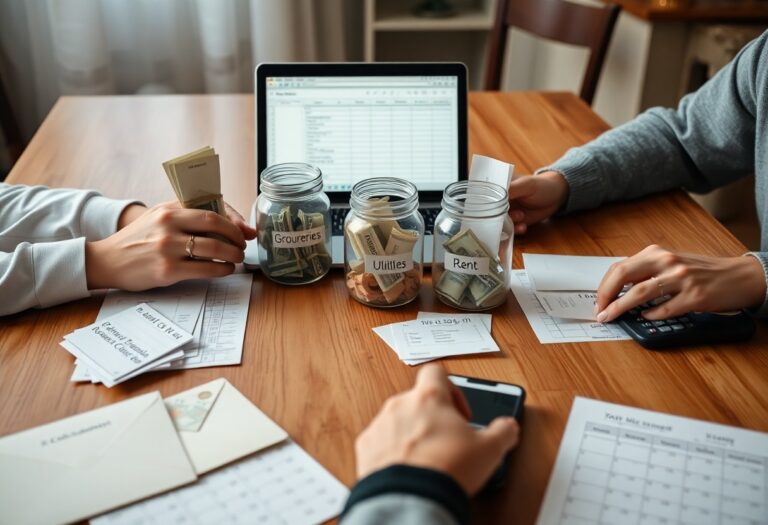
Beside the digital options, pen and paper let you physically record each purchase, sketch priorities, and feel immediate ownership of your money; you can keep a pocket notebook for daily entries or use envelope labels to control spending categories, which makes adjustments tangible and intentional.
Budgeting on paper forces clarity: a simple daily ledger, end-of-day reconciliation, and color-coded categories help you spot patterns fast; you can use a two-column layout for planned vs actual, carry unused funds forward, and create a weekly summary to tweak limits, keeping control while staying flexible.
Tips for Staying Motivated
Your daily budgeting should feel empowering, not restrictive; adopt clear, actionable habits to keep you moving forward.
- Set tiny, achievable daily spending limits
- Automate bill payments and transfers to savings
- Use a simple visual tracker to see progress
The payoff is you build steady confidence and momentum while keeping flexibility in your routine.
Celebrating Small Wins
After you hit a minor target, acknowledge it quickly-log the win, give yourself a modest reward, or share the success with someone; these micro-celebrations reinforce the habit and make budgeting feel positive rather than punitive.
Finding Accountability Partners
Between you and a trusted friend or partner, set brief, regular check-ins to compare progress, troubleshoot slip-ups, and adjust goals; this shared responsibility reduces temptation and keeps your focus sharp.
Another effective tactic is to join a small group or online community where you exchange updates, tips, and encouragement; when you see peers succeed, you’re more likely to maintain consistent, realistic daily budgeting habits.
Adjusting Your Budget Over Time
To keep your budget useful, build review points where you compare spending to goals, note trends, and tweak categories; allow room for irregular expenses, boost savings as income grows, and reassign funds when priorities change so your plan evolves with your life and feels enabling rather than restrictive.
Regularly Reviewing Your Budget
Between quick weekly check-ins and a deeper monthly review, you can detect overspending, find savings opportunities, and ensure your budget reflects current priorities; use simple tracking tools to spot patterns and make small, timely habit changes that prevent larger problems.
Making Changes as Necessary
Among life shifts-job changes, moving, or changes in family needs-you should adjust category limits, reallocate discretionary spending, or temporarily pause nonimperatives to protect necessities and keep your savings progress steady while preserving flexibility.
Plus, when you change your budget, set clear, testable adjustments: create a 30- or 60-day trial for a new limit, automate transfers to enforce decisions, add a temporary buffer for uncertain months, and renegotiate recurring bills; track the outcome and iterate so your budget becomes more accurate and less restrictive over time.
To wrap up
To wrap up, you can make daily budgeting feel freeing by defining priorities, setting flexible spending limits, automating vitals, tracking expenses briefly each day, and allocating a small discretionary fund for treats; this keeps control without deprivation, lets you adjust as life changes, and reinforces positive habits so your budget supports your goals rather than constrains them.