What Is a Step by Step Daily Budget Plan for Beginners?
Over a month, a step-by-step daily budget plan guides you to divide your income into daily spending limits, prioritize importants, allocate savings, and monitor small purchases so you avoid overspending. By tracking daily expenses, adjusting categories, and reviewing progress regularly, you build consistent habits that make financial goals achievable and maintain control of your cash flow.
Understanding the Importance of a Daily Budget
Before you set goals, a daily budget shows where your money flows and helps you control spending, reduce stress, and align purchases with priorities; by tracking small daily choices you prevent leaks, build saving habits, and make better decisions about housing, food, and leisure so your monthly targets become achievable and flexible.
Benefits of Budgeting
Beside tracking expenses, a daily budget gives you immediate feedback so you can adjust purchases, reach short-term goals, increase emergency savings, and improve financial confidence; when you plan daily, you avoid impulsive buys, allocate funds for priorities, and see how small changes compound into bigger results.
Common Misconceptions about Budgeting
Benefits people often assume budgeting is restrictive or only for the math-minded; in fact, when you design a daily plan around your lifestyle it increases freedom, reduces anxiety, and helps you spend on what matters while cutting waste; budgeting is a flexible tool, not a punishment.
Hence, if you think budgeting eliminates spontaneity, you can reserve a daily fun fund so spontaneity coexists with goals; if you fear failure, track small wins and adjust limits rather than abandon the plan; by testing simple rules you learn what works for your rhythm and financial priorities.
Setting Financial Goals
Now set clear, measurable goals that guide your daily budget by defining exact amounts and timelines for saving, debt reduction, and imperative expenses; break those into weekly and daily targets you can track so your spending aligns with priorities and you can measure steady progress.
Short-term vs Long-term Goals
By distinguishing short-term goals like building an emergency fund, covering monthly bills, or saving for a trip from long-term goals such as retirement or a home purchase, you can assign daily budget percentages so immediate stability is addressed while consistent contributions grow your future plans.
Prioritizing Your Financial Needs
About prioritizing, list imperatives first-housing, utilities, food-then tackle high-interest debt and mandatory payments, allocate regular savings, and only then fund discretionary wants; this sequence helps you protect your finances and make intentional daily spending choices.
It helps to use simple rules-such as allocating fixed percentages to needs, debt, and savings-or a priority matrix that ranks impact and urgency so you can adjust daily allocations when income or expenses change and keep your budget responsive and practical.
Analyzing Income and Expenses
If you want a reliable daily budget, start by listing every income source and expense, quantify monthly amounts, convert them to daily figures, and compare totals so you can allocate spending, set savings goals, and spot areas for immediate adjustment.
Tracking Your Income
Income tracking means you record paychecks, side gigs, and irregular receipts, note net amounts and frequencies, and convert totals to a daily average so you know exactly how much you can safely allocate each day.
Identifying Fixed and Variable Expenses
On a separate list, classify recurring obligations like rent, insurance, and subscriptions as fixed, and items like groceries, transport, and entertainment as variable, so you can prioritize payments and plan flexible reductions when needed.
Analyzing your fixed and variable expenses involves monitoring variable spending for a month to calculate averages and identify spikes, setting daily or weekly limits for discretionary items, automating fixed payments to avoid missed bills, and using the insight to adjust your daily budget and emergency buffer.
Creating Your Daily Budget Plan
Keep your daily budget simple: total your income, list fixed and flexible expenses, set a daily spending cap, and record purchases so you can adjust allocations weekly; this discipline helps you control cash flow and reach your financial goals.
Choosing a Budgeting Method
Behind your choice of method should be ease of use and alignment with income: try 50/30/20, zero-based, or envelope systems for a month, track results, then adapt rules so the approach fits your habits and makes saving automatic.
Allocating Funds for Each Category
Method: allocate funds to importants first-housing, food, transportation-then to savings and debt, and finally to discretionary items; set daily limits per category based on your monthly targets so small purchases don’t derail your priorities.
Also, round limits to practical amounts, automate transfers to your savings, use separate envelopes or apps for categories, and review spending each evening so you can shift unused funds forward or curb overspending before it compounds.
Implementing and Adjusting Your Budget
Many of your budgeting wins come from consistent, simple actions: set clear daily spending limits, schedule brief daily or weekly check-ins, automate bills and savings, and record purchases so you can spot leaks and reinforce positive habits.
Sticking to Your Budget
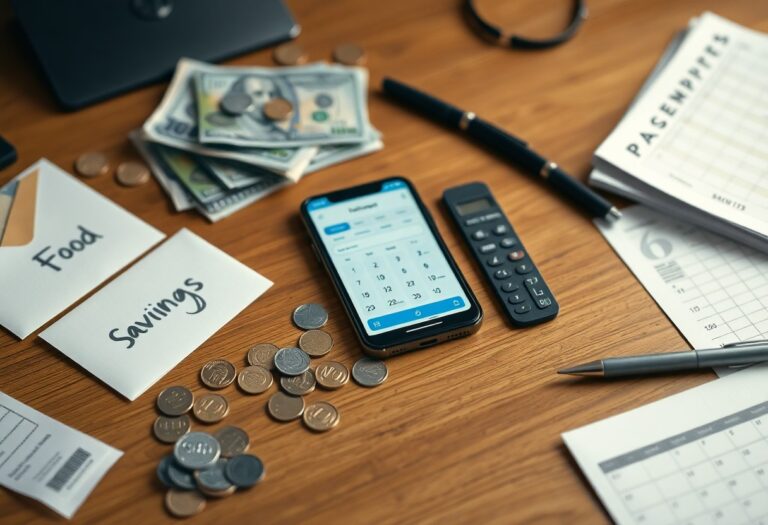
Among the practical tactics you can use are cash envelopes for variable categories, app alerts for overspending, preplanning meals and transport, and rewarding yourself for meeting short-term targets to keep motivation high.
Making Adjustments as Needed
Any time your income, goals, or expenses shift, review your daily limits, reassign funds to higher priorities, and pause or reduce lower-value items so your plan stays realistic and effective.
Also track weekly patterns, document recurring overspends, test small adjustments for two weeks before locking them in, and use simple allocation rules like 50/30/20 to guide rebalancing when you need a straightforward reset.
Tools and Resources for Budgeting
After you list your income and expenses, gather tools that make daily budgeting simple: spreadsheets, envelope systems, calculators and automatic transfers. Pick solutions that match your habits so you follow the plan, set up bill and savings automation, and use trusted guides or forums to refine categories, track progress, and review tools periodically to keep your budget aligned with changing goals.
Budgeting Apps and Software
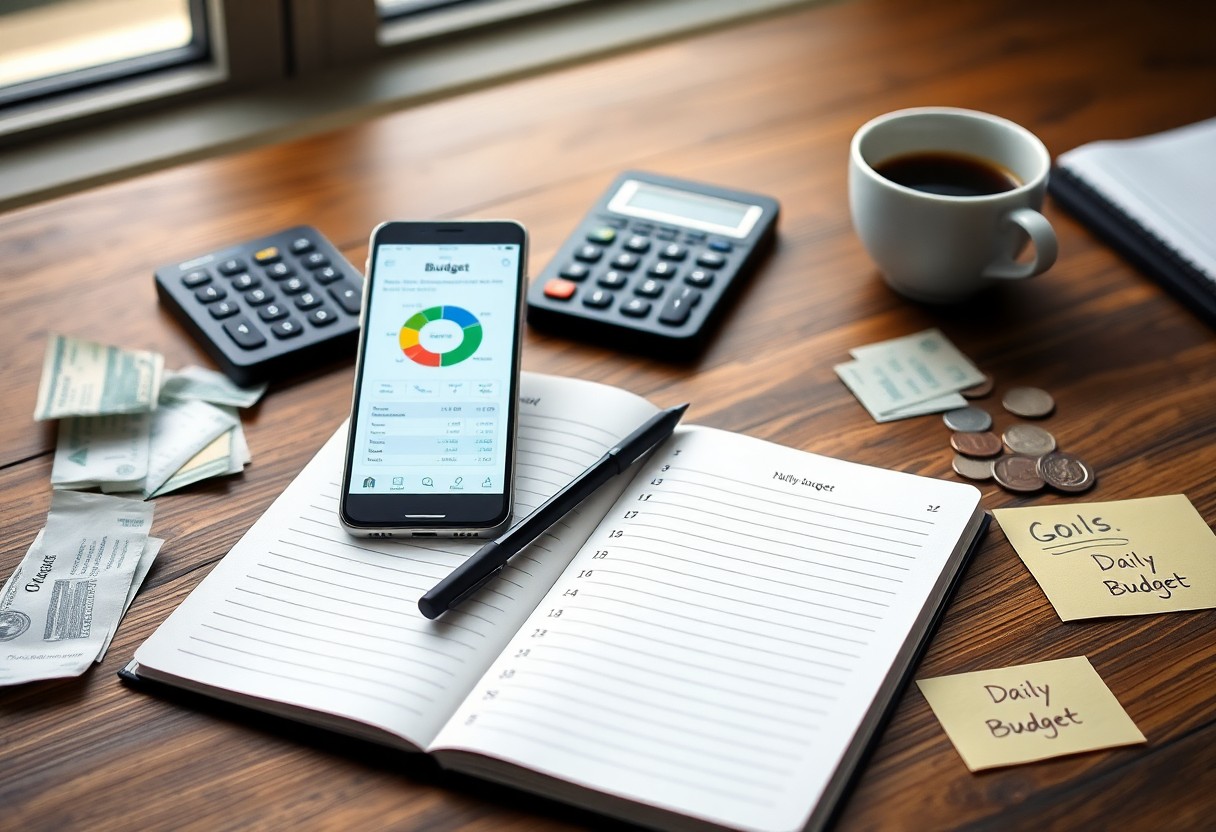
Software can automate tracking, categorize transactions, and send alerts so you stay within limits; choose apps with secure bank linking, customizable categories, clear reports, and export options. Try a few to find one that fits your routine and syncs across devices, then schedule brief daily check-ins to keep spending on target.
Free Resources and Templates
Software isn’t your only option; free spreadsheets, printable envelopes, and community templates let you customize a daily budget without cost. You can adapt worksheets for sinking funds, bill schedules, and expense logs, combining them with manual tracking to build discipline while avoiding subscription fees.
Plus you can access step-by-step worksheet packs, tutorial videos, and government or nonprofit guides that teach budgeting basics; use these resources to compare templates, learn best practices, and tailor a daily plan that fits your income cycle and financial goals.
Final Words
Ultimately you create a simple step-by-step daily budget plan by listing income, assigning fixed and variable expenses, setting spending limits for each category, tracking every purchase, and reviewing nightly to adjust behavior; over time this routine builds your financial awareness, prevents overspending, and helps you meet short- and long-term goals.