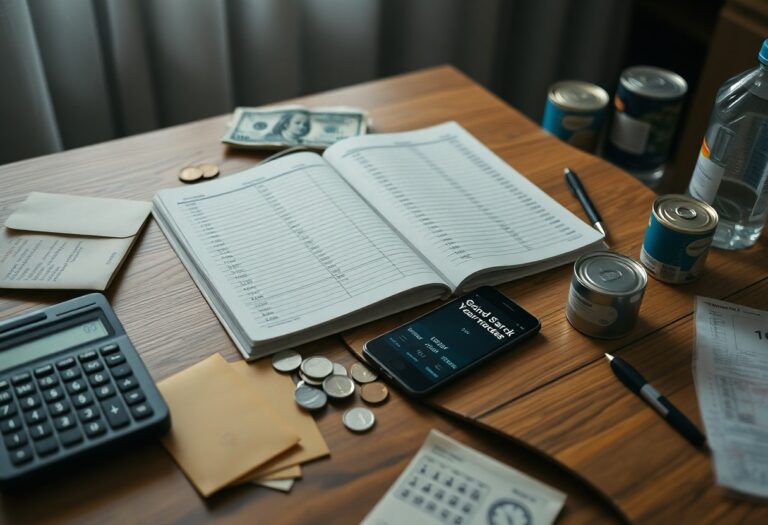
Why Does Daily Spending Feel Small but Add Up So Fast?
Most of your daily purchases feel trivial, yet psychological biases like mental accounting, instant gratification, and frictionless payments make small charges easy to ignore; over weeks and months these micro-expenditures compound into significant leaks in your budget, so tracking patterns, setting thresholds, and automating alerts gives you clarity and control.
The Psychology of Daily Spending
A set of mental shortcuts makes daily purchases feel insignificant: you focus on immediate satisfaction, downplay future impact, and normalize small expenses, so your wallet leaks without alarms. When you habitually justify a coffee or app purchase, those decisions compound into meaningful budget erosion that you may only notice after months of repetition.
The Concept of Small Purchases
With many tiny transactions framed as “minor” or “one-off”, you underestimate their cumulative cost; each small purchase bypasses deliberate decision-making and slots into routines, so your monthly spending drifts without a visible trigger.
Behavioral Economics: How We Justify Spending
Concepts from behavioral economics-mental accounting, present bias, and rationalization-explain how you justify spending: you partition expenses, prioritize immediate gratification, and reinterpret purchases to avoid acknowledging long-term trade-offs.
Even subtle cues such as limited-time offers, social proof, and default settings are engineered to nudge you; tracking small expenses, imposing brief cooling-off periods, or setting explicit micro-budgets gives you practical tools to curb accumulation and regain control.
The Cumulative Effect of Minor Expenses
Some small purchases, like coffee, snacks, or app subscriptions, feel insignificant by themselves but add up quickly when repeated daily; by measuring how often and how much you spend, you can see how minor expenses become major drains on your financial goals.
Tracking Daily Spending
One simple practice-logging every purchase-gives you clear data to identify patterns, spot recurring charges, and decide which habits to change; when you track daily, you gain control and can set realistic limits for your spending.
The Impact on Monthly Budgets
Monthly small splurges erode discretionary funds and can force trade-offs you didn’t anticipate; when you include every low-cost item in your budget, you’ll find opportunities to reallocate money toward savings, debt payoff, or other priorities.
Hence, tallying typical daily expenses lets you project monthly and annual totals so you can choose targeted cuts-eliminating a $4 daily habit frees about $120 monthly, enabling you to bolster emergency savings, accelerate debt repayment, or increase investments without drastic lifestyle changes.
The Role of Impulse Buying
Assuming small, spontaneous purchases feel harmless, you may miss how their frequency and low perceived cost compound; emotional triggers, convenient payment methods, and persuasive retail tactics lower your resistance and quietly expand monthly expenses, undermining larger financial goals.
Triggers for Impulse Purchases
Beside targeted ads and in-store displays, common triggers include stress, boredom, limited-time offers, social influence, and seamless checkout experiences; by noticing when and where these cues occur, you can predict vulnerable moments and reduce automatic buys.
Strategies to Control Impulse Spending
Buying with simple rules-use a 24-hour wait for non-imperatives, carry only one card, set a daily discretionary cap, and shop with a list-forces deliberate decisions and reduces frictionless, emotional purchases that add up.
The best approach mixes prevention and review: you can unsubscribe from promos, disable one-click payment, pre-allocate small fun money, and inspect weekly transactions so you catch patterns and tighten limits before small buys become a big drain.
The Influence of Technology on Spending Habits
To stay efficient you lean on apps, push notifications, and personalized offers that make buying feel effortless; that frictionless experience dulls your awareness of frequency and totals, so small purchases register as isolated events even though they compound against your budget over time.
Mobile Payments and Subscription Services
Subscription models and one-tap payments shift responsibility from you to automated systems, letting low-dollar recurring fees slip by unnoticed, making it hard for you to reconcile monthly outflows and spot services you no longer use.
The Convenience Factor
Across platforms you save cards, enable auto-fill, and accept suggestions that speed checkout, and this reduced effort lowers the psychological cost of buying so you make more frequent, less vetted purchases that inflate your spending.
But you can counteract convenience by setting explicit limits: remove saved payment methods, audit subscriptions monthly, enable instant spend alerts, and create short cooling-off rules so you regain awareness before convenience converts into leakage from your budget.
Long-Term Consequences of Small Expenses
After you habitually approve small purchases, those bites erode your savings and compound against you over years; what feels like coffee or a subscription can reduce retirement funds, limit credit access, and force higher-interest borrowing, shifting your long-term financial trajectory. By quantifying routine spending and comparing it to invested returns, you can see how tiny leaks become sizable drains on future options.
Saving vs. Spending Mindset
Saving becomes automatic when you treat each discretionary buy as a choice against a goal; you shift from impulse to intention by framing purchases in terms of opportunity cost, automating transfers, and setting clear short- and long-term priorities, which changes daily decisions and conserves capital for higher-value uses.
Future Financial Planning
The best plans show how small expenses affect milestone goals: you model emergency funds, home purchases, and retirement with realistic spending assumptions so you can see how trimming recurring costs or increasing contributions changes timelines and outcomes.
A practical step is to run simple projections for one, five, and ten years using your current discretionary spend: you identify subscriptions to cancel, set sinking funds for predictable costs, and automate increases to savings, so your everyday choices align with the future you want.
Tips for Mindful Spending
Keep a simple routine: pause before purchases and ask whether it aligns with your priorities.
- Track small daily buys to spot leakage
- Set weekly spending caps to limit impulse
- Automate transfers to savings
Recognizing patterns helps you cut waste and redirect funds toward your goals.
Creating a Budget
With a clear budget you assign income to importants, savings, and discretionary spending so you can see how small purchases affect goals; track one month of receipts, identify patterns, and set realistic categories you’ll actually follow.
Setting Spending Limits
Between your budget and habits, set specific limits for categories like dining, coffee, and subscriptions to prevent small buys from eroding goals; use reminders and simple rules to enforce them.
But you can make limits practical: assign monthly or weekly caps, convert them to daily allowances, use separate accounts or cash envelopes, set app alerts at 75% and 100%, and review limits monthly so you adjust for seasonality; flexibility keeps you compliant without guilt.
To wrap up
Drawing together, you see how low-salience, frequent purchases, frictionless payment methods, and mental accounting make each outlay feel insignificant while their sum grows fast. Because you rarely track small transactions, habits form and opportunity costs accumulate without visible pain. To control this, you should track micro-spending, set limits, and align daily choices with bigger goals so small decisions stop quietly eroding your finances.