How Can You Track Daily Expenses Without Using Apps?
You can effectively monitor daily expenses without apps by adopting simple analog methods and disciplined habits. Use a compact notebook or envelope system, categorize purchases, set daily limits, record each transaction immediately, tally totals nightly, and reconcile with receipts and cash; weekly summaries reveal patterns and opportunities to cut spending. Maintain consistency, review goals monthly, and adjust categories to ensure your budget reflects real behavior.
Understanding Daily Expenses
A clear view of your daily expenses means tracking small, regular outflows-coffee, groceries, transport, subscriptions-and noting patterns so you can adjust spending and set realistic limits.
What Are Daily Expenses?
Against the backdrop of larger bills, daily expenses are the frequent, low-value purchases you make-coffee, snacks, transit, small supplies-and you should log them so their cumulative impact becomes visible.
Importance of Tracking
Expenses you track daily reveal patterns, help you prioritize spending, and make it easier to meet your savings goals without relying on apps.
Another benefit is that when you record every purchase, you strengthen financial habits, reduce impulse buys, reconcile cash flow with your goals, and build confidence in managing your money.
Traditional Methods of Tracking Expenses
The traditional methods for tracking expenses use simple, tangible systems you control-ledgers, envelopes, cash jars, and manual logs-so you can monitor spending patterns without relying on apps; by keeping records physically, you gain direct awareness of where your money flows and can adopt routines that reinforce disciplined habits and clearer budgeting.
Paper and Pen
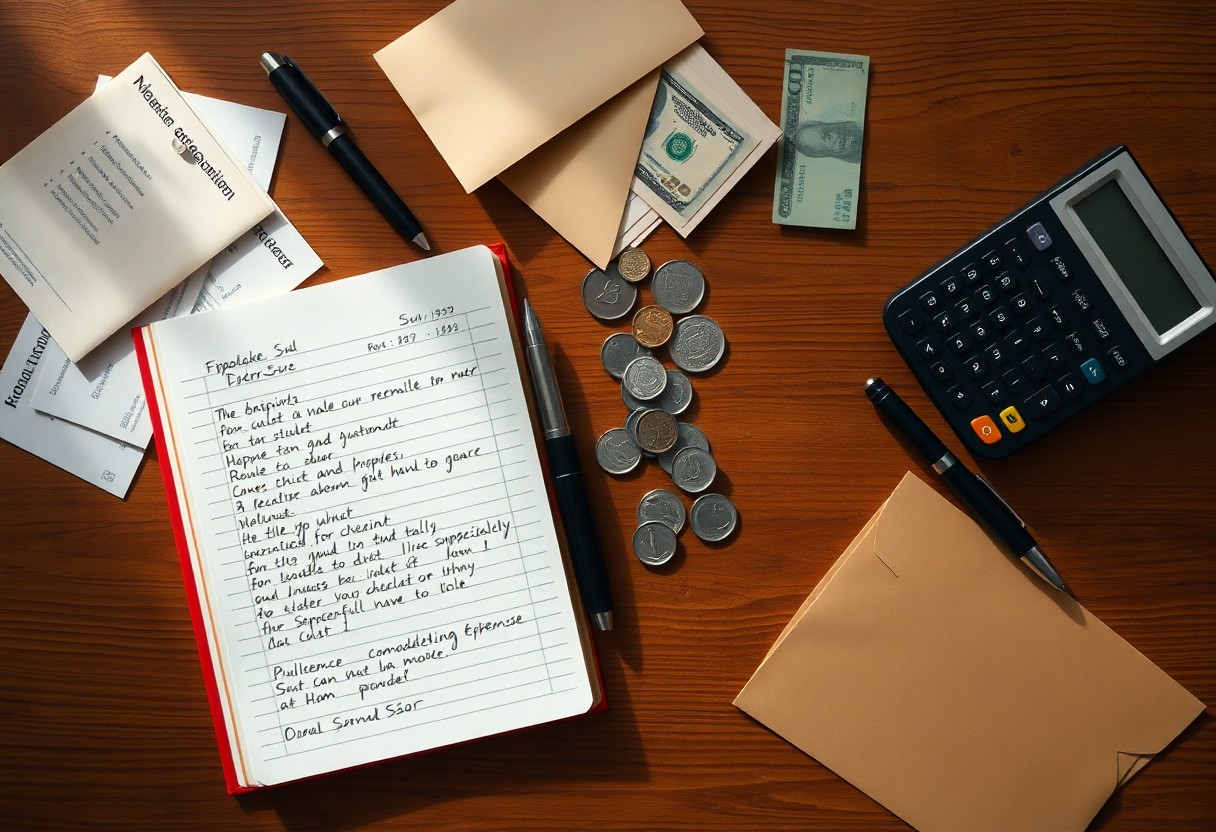
Before turning to devices, you use a notebook or expense ledger to jot daily purchases, categorize them, and total weekly or monthly outflows; this tactile process makes you more mindful of each transaction, helps you spot recurring costs, and requires minimal setup while remaining fully private and offline.
Spreadsheets
Below a spreadsheet gives you flexibility to log dates, categories, and amounts while using formulas to calculate totals, averages, and remaining budgets; you can sort entries, apply simple rules to flag overspending, and keep backups on a USB drive so your records stay accessible without online apps.
Considering spreadsheets further, you can create templates with columns for date, vendor, category, payment method, and notes, use SUM and SUMIF for category totals, add dropdowns for consistency, and run monthly summaries or pivot tables to reveal trends-this approach scales from basic to advanced depending on how much automation you want.
Utilizing Envelopes for Cash Management
You can manage daily spending with a simple envelope routine: assign cash to labeled envelopes for categories like groceries, transport and fun, track withdrawals on a small log, and adjust amounts weekly to match your goals so your habits become visible and controllable without digital tracking.
The Envelope System Explained
Envelope methods ask you to label envelopes for each spending category, place the budgeted cash inside, record transactions on the envelope or a slip, and close the envelope when funds are out so you learn to prioritize and avoid overspending.
Advantages of Using Cash
The tactile nature of cash makes you more mindful: when you hand over bills you assess choices, you limit impulse purchases, and you can control spending by setting physical limits per envelope.
It also simplifies reconciliation because you can instantly see remaining funds, teach you budgeting discipline, reduce fees or oversights tied to cards, and provide a visual record that helps you adjust allocations month to month.
Weekly Review of Expenses
Unlike daily logging, a weekly review gives you a broader perspective on where your money flows, lets you reconcile receipts and notebook entries, and lets you make corrective decisions before small oversights become larger problems.
Setting a Review Schedule
One effective habit is to choose a fixed day and short time each week for a review session where you total spending, update your ledger, and set simple targets or adjustments for the coming week.
Analyzing Spending Patterns
Expenses sorted into categories show you clear patterns-recurring subscriptions, impulse buys, and seasonal spikes-and analyzing these weekly helps you prioritize cuts, reallocate funds, and reinforce healthy habits.
This analysis should compare week-to-week totals, note deviations from your plan, flag one-off charges, and end with three concrete actions you will take to curb waste or strengthen savings.
Creating a Budget Without Apps
To create a budget without apps, gather your income sources, list fixed and variable expenses, allocate amounts for savings and discretionary spending, and record transactions daily in a notebook or spreadsheet; review totals weekly and adjust limits to align with your goals.
Importance of Budgeting
Budget gives you clear visibility into your income and outgoings so you can prioritize goals, cut unnecessary spending, build an emergency fund, and avoid surprise shortfalls by planning for irregular expenses.
Steps to Create a Manual Budget
The first step is to calculate your monthly net income, then track every expense for a month in a notebook or spreadsheet, categorize spending, set realistic limits for each category, assign savings goals, and review weekly to adjust allocations.
Budget plans should include your irregular bills, estimated monthly averages, envelopes or folders for cash categories, rounded limits to simplify tracking, a small buffer for surprises, and a monthly review to update targets when your income or priorities change.
Tips for Staying Disciplined
Many strategies help you maintain daily expense tracking:
- Record every purchase immediately
- Use envelopes or a simple notebook
- Set a fixed time each day to update your log
Any lapse can be corrected by reviewing your entries weekly and adjusting habits to stay aligned with your goals.
Setting Spending Limits
Above all, set clear spending limits by category so you know how much you can allocate daily; assign amounts for importants, discretionary items, and savings, then note each expenditure against those limits to prevent overspending and keep your habits aligned with long-term goals.
Finding Accountability Partners
Behind effective tracking is an accountability partner who checks your entries, discusses your spending choices weekly, and encourages your consistency, so choose someone reliable, agree on check-in frequency, and share simple summaries to keep you motivated and honest about your finances.
Tips for working with partners: set specific goals you both track, use shared physical tools like a joint notebook or labeled envelopes, give constructive feedback without judgment, celebrate small wins, and rotate responsibility for initiating reviews so you stay engaged and improve your spending habits together.
Conclusion
Summing up, you can reliably track daily expenses without apps by using simple methods: keep a dedicated notebook or ledger, record each purchase immediately, reconcile receipts against a weekly tally, categorize spending with color codes or columns, and review totals to adjust habits. Consistent short daily checks and periodic reviews give you clear control over your budget and spending choices.