
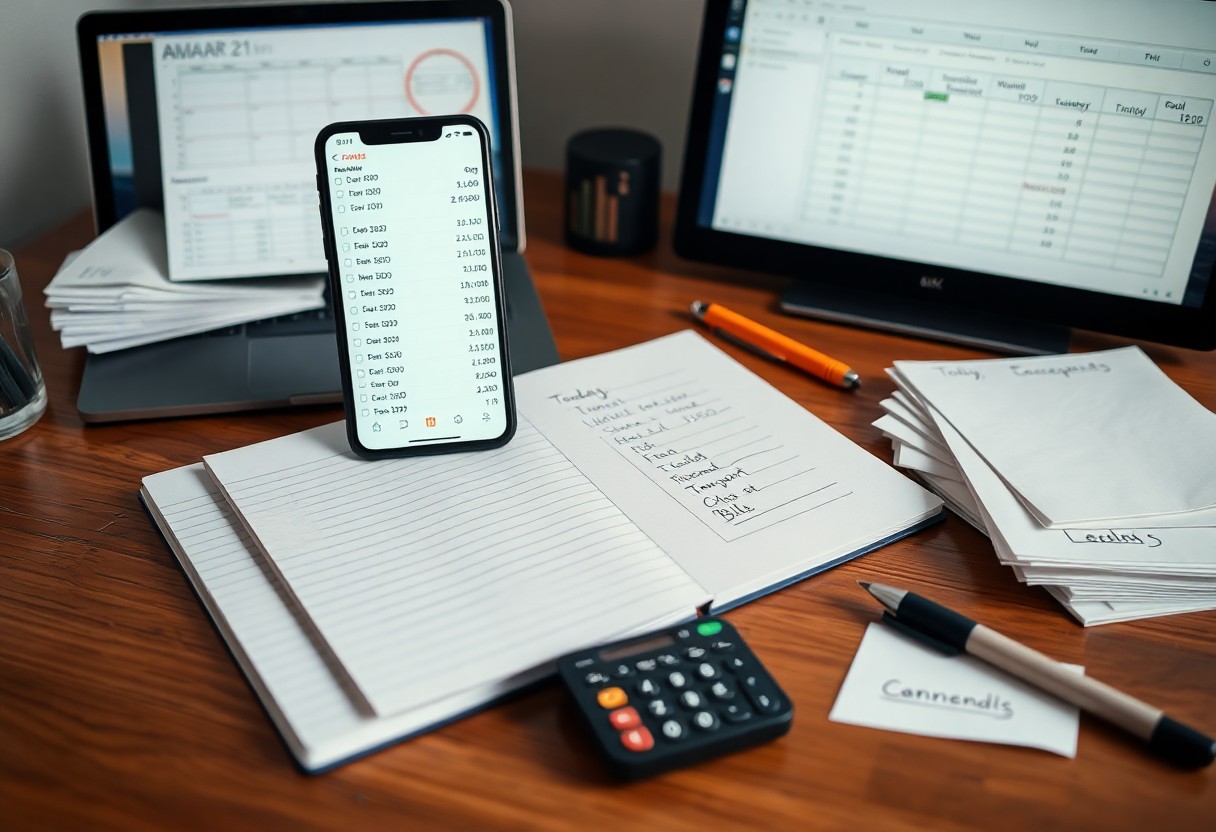
What Is a Simple Daily Expense Tracking System That Actually Works?
With a short daily routine of logging each purchase and categorizing it, you keep clear control of your cash flow and spot waste quickly. Use a single spreadsheet or app, set brief evening review time, and track trends weekly so you can adjust spending and set realistic goals without complexity.
Importance of Expense Tracking
To manage your money effectively, tracking expenses gives you clear visibility into where your dollars go, helps you set realistic budgets, and prevents surprises that derail your goals; when you record daily spending you build control, reduce waste, and free resources for priorities like saving, debt repayment, and investing.
Understanding Personal Finances
Any effective expense system starts with understanding your income, fixed and variable costs, and financial goals; by categorizing transactions you see how your choices align with priorities and can adjust your saving, giving, and spending to meet milestones.
Identifying Spending Patterns
Among the first gains from tracking is the ability to spot recurring leaks and habits: when you review daily entries you identify frequent small purchases that add up, seasonal spikes, or impulse categories, allowing you to target reductions and reallocate funds to higher priorities.
Importance of regularly reviewing those patterns is that you can quantify habits, set practical thresholds, and measure progress; by using simple categories, weekly summaries, and visual charts you detect trends, test small changes, and reinforce better choices until your spending aligns with your goals.
Key Features of an Effective Tracking System
Now you need a system that is simple, reliable and actionable; key features include:
- Ease of entry – quick logging on mobile or web so you actually record expenses
- Automatic categorization – saves time and standardizes reports
- Real-time syncing – keeps your data consistent across devices and accounts
- Custom categories and tags – adapt the system to your lifestyle
- Budget alerts and limits – warn you before overspending
- Clear reports and trends – visualize where your money goes
- Privacy and security – protect your financial information
Knowing these features helps you choose or build a system you’ll use every day.
User-Friendly Interface
With an intuitive layout you can log expenses in seconds, scan receipts without friction, and see balances at a glance; consistent labels, large actionable buttons and minimal screens help you maintain the habit and reduce entry errors.
Automatic Data Entry
Interface capabilities like bank syncing, receipt OCR and smart rules let you capture most transactions automatically, so you spend less time entering data and more time reviewing your financial picture.
Considering automatic entry, you should monitor auto-categorized items regularly, create rules for frequent merchants, and correct misclassified transactions sparingly so the system learns your patterns and delivers accurate reports.
Choosing the Right Tools
It helps to match tools to your habits and goals: choose simple, low-friction options you’ll use daily, whether an app with automation or a minimalist spreadsheet you can update in minutes; pick what fits your time, tech comfort, and budgeting style.
Apps vs. Spreadsheets
Above all, apps automate categorization and sync across devices while spreadsheets give you full control and flexibility; you’ll choose apps for speed and bank connections, and spreadsheets for customization, privacy, and tailored reports.
Features to Look For
Spreadsheets let you apply templates, formulas, and pivot summaries, while apps should provide automatic transaction import, tagging, budget alerts, and export options so you can analyze your spending and keep your records portable.
For instance, prioritize searchable transactions, recurring expense support, customizable categories, mobile access, CSV export, and simple visual summaries so you can spot trends, correct mistakes quickly, and make confident adjustments to your budget.
Establishing a Daily Tracking Routine
Many simple routines work when you commit to a brief, consistent habit: log every expense each day, categorize it, and glance at your totals before bed. Use one app, spreadsheet, or notebook so tracking stays frictionless; you’ll quickly spot patterns, curb impulsive buys, and make budgeting adjustments with under five minutes of daily effort.
Setting Aside Time
Across busy schedules, pick a fixed two- to five-minute window-morning or evening-to enter purchases and check balances. Tie this task to an existing habit like coffee or bedtime so it becomes automatic; you’ll reduce procrastination and keep your records accurate without extra planning.
Staying Consistent
Above all, create small checkpoints: daily logging, a weekly reconciliation, and a monthly summary you review. You’ll preserve momentum by tracking progress, tweaking categories as spending changes, using reminders, and limiting tools to one reliable method to prevent abandonment.
Due to habit formation, repetition makes tracking easier; you should set clear triggers, automate where possible (bank feeds, recurring entries), and treat missed days as data, not failure. When you reconcile weekly and address discrepancies promptly, your confidence grows and consistency becomes the engine of better financial choices.
Analyzing Your Data
For analysis to drive improvement, group your tracked expenses into clear categories, compare monthly totals to your income and goals, and use simple charts or tables to reveal trends and anomalies so you can prioritize cuts or reallocations.
Monthly Reviews
Against the temptation to skip them, set a brief monthly review where you reconcile entries, assess progress toward your goals, flag unusual charges, and adjust budget targets so small issues don’t become larger problems.
Adjusting Spending Habits
Behind most spending patterns are predictable triggers; identify yours, set modest limits or substitutes, and reallocate funds to priorities so you can change habits gradually without feeling deprived.
Indeed, focus on one habit at a time: set a measurable target, automate transfers to savings, replace costly routines with cheaper alternatives, and check weekly so you can sustain momentum and see what actually improves your financial picture.
Tips for Staying Motivated
All effective systems keep momentum by making progress easy and visible; you benefit from tiny daily wins.
- Two-minute daily review
- Automate recurring entries
- Celebrate progress, not perfection
Assume that consistency beats perfection, so you adjust systems rather than abandon them.
Setting Financial Goals
Between short-term milestones and long-term targets, you set clear, measurable goals; break them into weekly actions, assign amounts to priorities, and review progress so your motivation compounds.
Rewarding Yourself
Below your plan, tie small, affordable rewards to milestones: choose non-monetary treats like extra leisure time, and let rewards reinforce habits without derailing progress.
Financial rewards should fit your budget: allocate a small percentage of savings for celebrations, cap treat costs, scale rewards as goals grow, and track reward spending so it supports – not erases – your progress.
Final Words
On the whole, you can build a simple daily expense tracking system that actually works by choosing one consistent method (app, spreadsheet, or notebook), categorizing expenses, updating entries each day, setting small spending rules, and reviewing totals weekly to adjust your budget. By keeping the process brief, automating where possible, and making tracking a daily habit, you make smarter spending decisions and reach financial goals faster.


