What Daily Expenses Are Most Often Ignored but Costly?
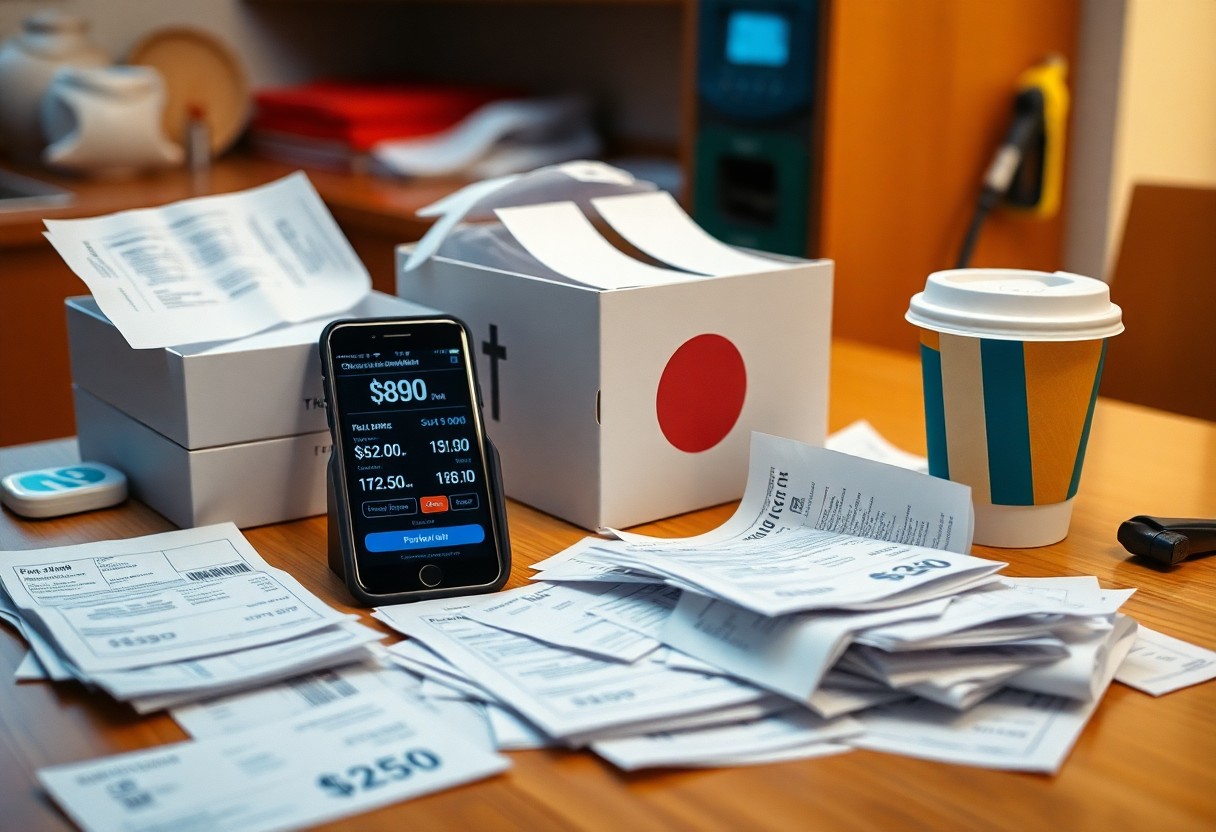
You routinely overlook small daily expenses-like subscription creep, convenience fees, impulse coffee runs, ATM and bank charges, and excess energy use-that quietly erode your budget; identifying and tracking them empowers you to cut waste, negotiate better rates, and redirect funds to priorities, so small changes in habits and billing reviews can produce meaningful savings over time.
Commonly Overlooked Daily Expenses
The small, recurring purchases you dismiss-daily coffee, convenience fees, tolls, subscriptions, and impulse snacks-quietly erode your savings, and you may not notice until you total them at the end of the month.
Subscription Services
Across streaming platforms, apps, cloud storage and memberships, you often keep services you rarely use; auto-renewals, duplicate accounts, and bundled family plans add hidden charges, so you should audit subscriptions and cancel or downgrade what doesn’t deliver value.
Hidden Food Costs
An extra $5 lunch every workday, delivery fees, tips, packaged convenience meals, and food waste inflate your grocery budget; you might think your groceries are affordable, but convenience and spoilage raise the true cost of what you eat.
Subscription meal kits, grocery delivery services, and snack boxes can save time but often include markups, minimum-order fees, and tips; you should compare per-serving costs, factor in delivery charges, and pause or switch plans that drive up your food spending.
Impulse Purchases and Their Impact
While impulse purchases look insignificant, you pay in ways that compound: small buys add up, derail savings, and often replace planned spending, so you end up paying for buyer’s remorse, higher transaction fees, and clutter that costs time and disposal. Track patterns and set small limits to curb the habit.
Coincidental Shopping Trends
One common trigger is coincidental shopping trends: you see seasonal displays, viral products, or friends’ posts and buy to fit in or chase novelty; promotions and flash sales create urgency that overrides your budget, so trends convert casual curiosity into repeated, unnecessary spending.
The Cost of Convenience
Impact of convenience is underestimated: you accept delivery fees, single-use items, subscription tiers, and ready-made meals, paying a premium for time savings that quickly eclipses the value, and the small extra charges become a regular drain on your monthly cash flow.
Impulse control matters: you can reduce convenience costs by unsubscribing unused services, batching errands, meal-prepping, setting delivery thresholds, and using a small cooling-off rule-these steps return control over spending and recover hours and hundreds in annual expenses.
Energy and Utility Bills
It’s easy to underestimate how small habits and aging equipment inflate your monthly utility bills; by monitoring thermostat settings, unplugging phantom-load devices, and timing high-energy tasks for off-peak hours you can reduce consumption and protect your budget.
Energy Consumption Habits
Across your daily routine, choices like leaving chargers plugged in, overusing HVAC, or running partial laundry loads add up; adopt simple changes-smart thermostats, efficient lighting, and load consolidation-to cut waste and lower your bill.
The Role of Maintenance
Any ignored filter, duct leak, or worn seal forces systems to work harder and increases your energy costs; schedule regular inspections and perform basic upkeep to preserve efficiency and avoid higher bills.
Plus, proactive maintenance-seasonal HVAC tune-ups, insulating pipes, and caulking gaps-extends equipment life, prevents costly breakdowns, and gives you steadier, more predictable utility expenses.
Transportation Costs
Now you may focus on gas and fares, but transportation costs also include insurance, registration, parking, tolls, depreciation and occasional rideshares that quietly add up; tracking these categories lets you see the full monthly burden and identify inexpensive swaps or schedule changes that reduce the steady outflow.
Forgotten Maintenance and Repairs
Before you delay routine service, know that skipping oil changes, tire rotations, brake pads or small repairs multiplies expenses later; you pay more for breakdowns, reduced fuel efficiency and shortened vehicle life. Budget a maintenance cushion and schedule predictable upkeep to avoid sudden large bills.
The Price of Commuting
Behind every commute are hidden line items: daily parking fees, tolls, extra car wear, snacks, time lost and the value of hours spent; you often underestimate how these recurring charges inflate your monthly expenses and limit your flexibility to choose lower-cost options.
Another way to assess commuting cost is to calculate per-trip and monthly totals including depreciation and opportunity cost; you can compare car, transit, biking, carpooling or remote work, use employer benefits, or shift schedules to reduce peak charges and turn long-term savings into predictable budget relief.
Health and Wellness Expenditures
Despite their small appearance, everyday health costs – copays, OTC meds, contact lenses, mental health sessions and occasional specialist visits – accumulate quickly; if you don’t track these outlays, your budget and access to consistent care can suffer, leading to higher expenses when conditions escalate.
Preventative Care Costs
At annual checkups, screenings, vaccines and dental cleanings you might defer to save now, but skipping preventive services increases the chance of more expensive treatments later; budgeting for routine care helps you avoid surprise bills and protects long-term health.
Supplements and Gym Memberships
Costs for supplements, boutique classes and unused gym memberships quietly erode your monthly cash; you often pay for trendy products or premium plans that don’t match your needs, so assess efficacy, compare prices and cancel services you don’t use.
Hence, prioritize consistent habits over flashy options: choose clinically supported supplements, take advantage of free trials, negotiate or downgrade memberships, and track monthly fitness spending so you align costs with actual usage and health outcomes.
Insurance and Financial Services
Unlike many obvious expenses, your insurance and financial services quietly drain your budget through high premiums, unused riders, bank and advisor fees, and automatic renewals; if you don’t review policies, compare providers, and eliminate redundant charges, you’ll keep paying for protection and services that no longer fit your needs and reduce your monthly savings potential.
Unused Insurance Benefits
Below many policies include add-ons like roadside assistance, wellness reimbursements, rental coverage, or identity-theft protection that you rarely use; you should audit benefits annually, drop redundant riders, or switch to plans that match actual usage to avoid paying premiums for unused perks.
The Cost of Not Shopping Around
Insurance not only protects you from risk but is also a negotiable expense; if you renew automatically without comparing quotes or requesting discounts, you often pay significantly more for the same coverage, so you must shop, compare, and negotiate to align premiums with current market rates.
Cost-conscious steps can reduce annual premiums by double digits: list coverages, solicit personalized quotes, consider sensible deductible increases, bundle policies, and verify discounts for safety, loyalty, or professional associations to secure tangible savings for your household.
Summing up
Hence you must audit recurring micro-costs-unused subscriptions, daily takeout, convenience fees, impulse small purchases, ATM and late fees, and energy waste-that quietly erode your budget; by tracking and canceling subscriptions, packing lunches, comparing payment options, and fixing energy leaks, you can reclaim significant savings and improve cash flow without dramatic lifestyle sacrifices.