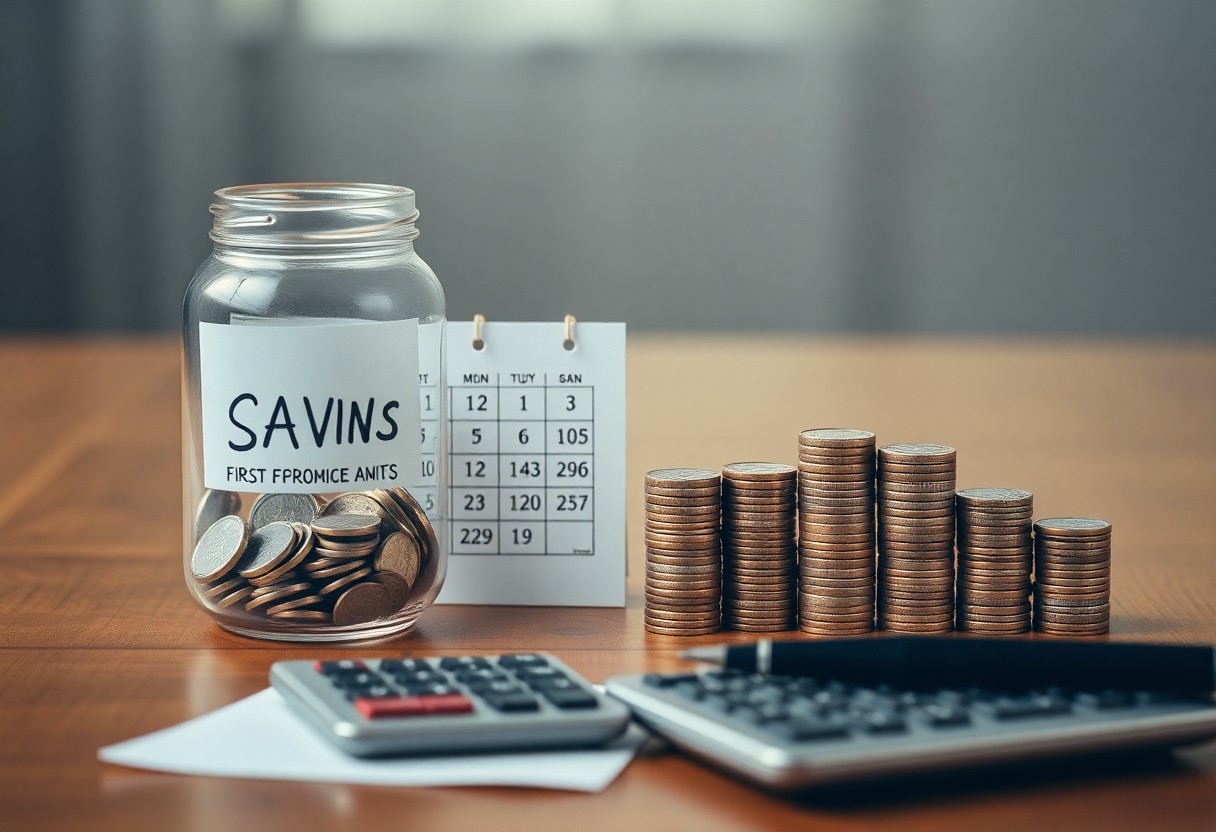
How Do Small Daily Savings Turn Into Big Annual Results?
Finance rewards consistent actions: when you save a small amount each day, compound interest, automated transfers, and disciplined spending habits multiply those contributions into substantial annual gains, helping you build financial security, accelerate debt reduction, and reach your long-term goals more reliably.
The Power of Compound Interest
Your small, consistent savings gain momentum because each interest payment is added to your balance and earns more interest, creating a snowball effect; over time this compounding can turn modest daily or monthly deposits into meaningful annual results when you combine regular contributions with patience.
How Interest Accumulates
For compound interest, you earn returns on both your original deposit and on previously earned interest, so growth accelerates as your balance rises; by raising contribution size, holding investments longer, or choosing higher compounding frequency, you boost the cumulative effect on your savings.
The Impact of Time on Savings
Between starting early and delaying, time is a multiplier for your savings: the longer you keep funds invested, the more compounding amplifies gains, which means small early deposits often outperform larger, later ones when you allow years for interest to build.
Compound growth rewards consistency and time: by reinvesting interest and avoiding withdrawals, you let exponential math work for you, so steady saving habits and occasional increases to your contributions produce disproportionately larger balances over decades.
Daily Savings Strategies
Clearly, when you prioritize consistency, automate transfers, and trim tiny expenses-like daily coffee, takeout, or unused subscriptions-you convert small habits into steady growth; over a year those disciplined choices and interest build meaningful savings that expand your financial options and help you fund goals.
Setting Realistic Daily Goals
An achievable daily target-whether $2, skipping one purchase, or saving a percentage of income-helps you stay committed without feeling deprived; set specific, trackable amounts, adjust them as your budget changes, and celebrate milestones to reinforce your saving habit.
Utilizing Savings Apps and Tools
After you choose an app that matches your needs, automate round-ups, scheduled transfers, and goal labels so you rarely touch the money; apps with visual progress and timely alerts make staying on track simple and reduce friction in building daily discipline.
At the same time, compare fees, security, and bank integration, and leverage features like rule-based transfers, spare-change investing, and bill-negotiation tools so you tailor technology to your priorities and turn passive automation into measurable annual growth.
Identifying Saving Opportunities
One effective way to grow annual savings is to audit your daily habits to find small leakages – overlapping subscriptions, impulse purchases, and energy waste; when you track recurring outflows and set firm limits, you identify predictable reductions and reallocate funds to higher-yield goals, turning modest daily cuts into meaningful yearly gains.
Cutting Unnecessary Expenses
One practical tactic is to scrutinize your subscriptions, downgrade services, and delay nonimperative purchases; by negotiating bills, avoiding branded premiums, and packing your lunch you reduce habitual outflows and free cash for saving or investing.
Maximizing Income from Side Gigs
On top of trimming costs, you accelerate results by optimizing side gigs: specialize in high-demand skills, price services competitively, and automate bookings to increase billable hours so every extra dollar you earn compounds with disciplined saving.
Saving those extra earnings is only half the battle; scale side-gig income by choosing platforms with better take rates, creating repeatable products or passive offerings, outsourcing low-value tasks, and reinvesting profits into skill upgrades so your one-off hours build sustainable annual income.
The Psychology of Saving
Now you can see how consistent small choices shape long-term wealth: by automating deposits, reframing spending as deliberate decisions, and celebrating progress you create habits that compound. Your brain prefers routine, so set simple triggers and reduce friction to make saving automatic rather than optional.
Building a Savings Mindset
Mindset shifts come from identity and routine: you adopt the saver role, set tiny achievable goals, and prioritize future comfort over impulse purchases. Your repeated small actions reinforce belief and make larger targets feel attainable without drastic lifestyle changes.
Staying Motivated Over Time
Over time motivation can dip, so you should track progress, vary rewards, and connect goals to personal values; seeing how small deposits accumulate keeps you engaged and less likely to abandon plans when short-term temptations arise.
Time-based tactics boost persistence: you break goals into short, medium, and long horizons, increase contributions after raises, and schedule quarterly check-ins. When you measure results and adjust slightly, daily savings stay relevant and reliably scale into significant annual outcomes.
Tracking Your Progress
Unlike occasional check-ins, you should log daily savings so trends become visible; simple apps or a spreadsheet let you track deposits, growth, and patterns that signal when to boost or pause contributions, and regular summaries keep your focus sharp so small actions compound into measurable annual results.
Setting Milestones
Tracking short-term milestones turns daily habits into checkpoints: you set weekly saving targets, monthly buffer goals, and quarterly reviews so you can measure progress, celebrate small wins, and adjust contributions or timing to keep your annual objective realistic and attainable.
Adjusting Goals as Needed
Between income changes and life events, you should reassess goals regularly so your plan stays aligned with your situation; tweak amounts, extend timelines, or reprioritize targets to maintain momentum and prevent small setbacks from derailing yearly growth.
Plus, use clear metrics-percent of income saved, number of automated transfers, and emergency-fund status-to guide adjustments; schedule quarterly reviews, raise contributions with pay increases, and direct windfalls toward milestones so your daily savings continue to scale into significant annual gains.
Real-Life Examples of Small Savings
Not every big annual gain needs dramatic changes; when you set aside small amounts daily – for example $3 a day – you accumulate $1,095 in a year, and with a modest 4% return that becomes about $1,139, illustrating how consistent tiny choices move your finances.
Case Studies of Successful Savers
Savers who stick to micro-savings prove consistency beats intensity; by automating $2-$10 daily you remove decision fatigue, build an emergency buffer, and make investing habitual so your future options expand without drastic lifestyle shifts.
- Savers A – Coffee swap: You save $3/day → $1,095/year; 5 years no interest = $5,475; invested annually at 5% (FV factor 5.5256) ≈ $6,053.
- Savers B – Home lunches: You save $8/day → $2,920/year; 5 years no interest = $14,600; at 5% annual growth ≈ $16,126.
- Savers C – Cancel unused subs: You save $15/month → $180/year; 5 years no interest = $900; at 5% annual growth ≈ $995.
- Savers D – Round-up app: You save $2/day → $730/year; 5 years no interest = $3,650; at 5% annual growth ≈ $4,035.
Common Pitfalls and Lessons Learned
Against expecting instant windfalls, you should pace expectations: inconsistent tracking, skipping automation, and ignoring small leaks like fees or impulse buys will erode gains and stall momentum.
The best remedy is to automate transfers, set measurable short-term goals, and review progress monthly so you correct course quickly; when you make small savings routine, setbacks stay manageable and growth compounds reliably.
To wrap up
The small habits you practice daily-skipping a latte, packing lunch, automating transfers-compound over time, so you can accumulate significant annual savings without dramatic sacrifice. By tracking spending, setting micro-goals, and reinvesting saved amounts into high-interest accounts or investments, you make each dollar work harder. Consistency, automatic systems, and periodic reviews let you scale modest choices into meaningful financial progress you’ll notice year after year.