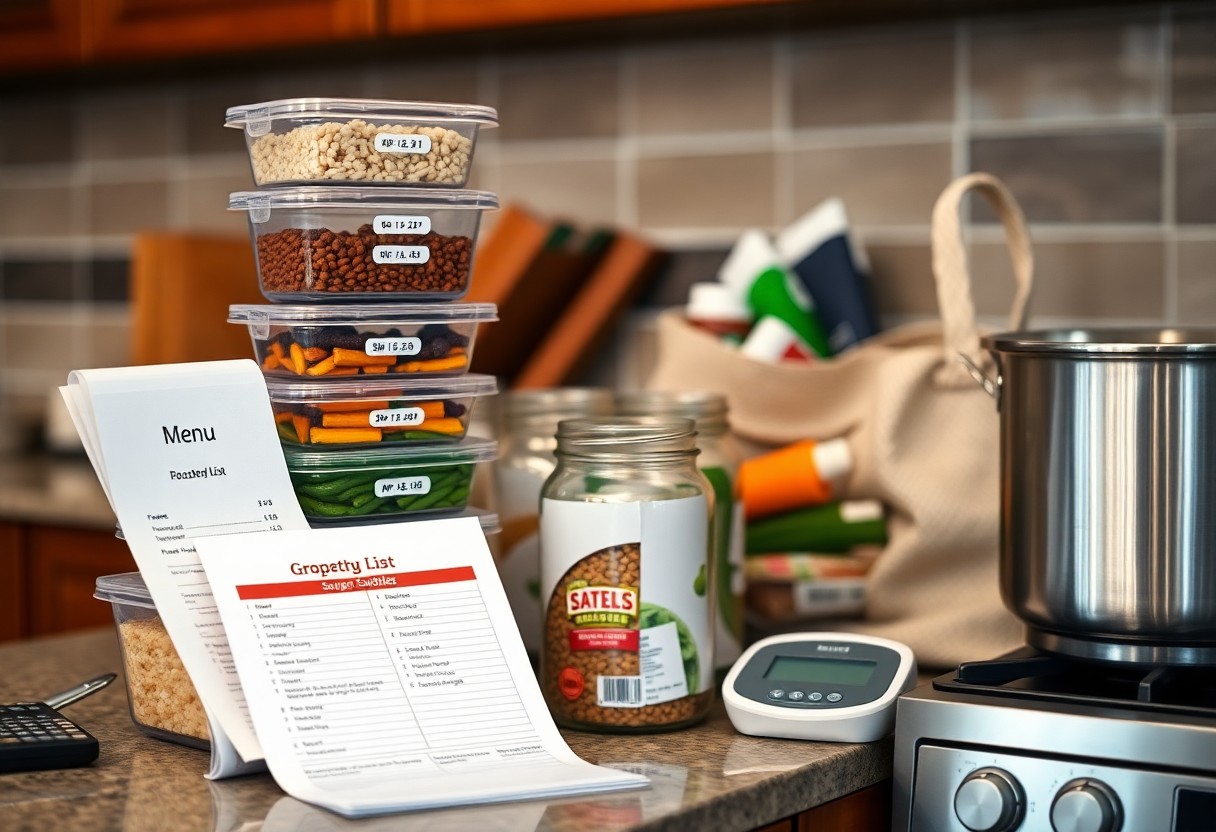
How Can You Reduce Daily Food Expenses Without Skipping Meals?
Over time you can reduce daily food expenses without skipping meals by planning weekly menus, buying seasonal and bulk staples, and cooking larger batches to repurpose leftovers. Use a shopping list, compare unit prices, and favor nutrient-dense, low-cost ingredients to maintain balanced meals. With simple meal prep, freezing portions, and minimizing food waste, you keep variety and nutrition while lowering your grocery bill.
Understanding Your Food Budget
A well-defined food budget lets you see where money goes so you can cut waste, prioritize nutritious meals, and maintain variety without skipping any meals, giving you control over spending while meeting your dietary needs.
Analyzing Current Spending
For an accurate picture, you should track every food purchase for a month, categorize groceries versus dining out, and identify patterns where small daily choices are inflating your overall food costs.
Setting Realistic Food Goals
Among practical goals, set a weekly grocery limit that reflects your household, plan balanced meals around low-cost staples, and allow a modest dining-out buffer so you can stay consistent without deprivation.
Further, translate goals into actions: create a rotating meal plan, shop with a list tied to sales, batch-cook to save time and money, swap expensive ingredients periodically, and review your spending weekly to refine targets.
Meal Planning Strategies
While meal planning may seem time-consuming, you can cut daily food expenses by organizing meals, combining recipes that share ingredients, and scheduling leftovers into lunches; set aside a short weekly planning session, list staples you already have, and shop with a focused list so you avoid impulse buys and food waste.
Creating a Weekly Menu
Among the smartest steps you can take is creating a weekly menu that matches sales and pantry items; map breakfasts, lunches, dinners, and snacks, assign a leftover day, and adjust the plan around promotions so your shopping is efficient and your meals stay varied without extra cost.
Incorporating Versatile Ingredients
Around a small set of versatile ingredients-beans, rice, eggs, canned tomatoes, and frozen vegetables-you can build diverse, low-cost meals; choose recipes that reuse these staples in different ways so you maintain variety while lowering per-meal expenses.
Consequently, by prioritizing multipurpose items you increase flexibility and reduce waste: cook larger batches, freeze portions, repurpose cooked grains and proteins into salads, soups, or wraps, and swap spices to change flavors so you avoid boredom without raising your grocery bill.
Smart Grocery Shopping
The smartest shoppers plan trips around a list, compare unit prices, and prioritize versatile staples to cut waste and cost; you buy seasonal produce, frozen items, and bulk grains for savings, and avoid impulse buys by setting a cash or low-card limit, which keeps your weekly food expenses steady without skipping meals.
Shopping Lists and Bundling
Shopping with a clear list and bundling strategy helps you avoid extras: you group meals by shared ingredients, buy multi-use items, and choose bulk packs for non-perishables; you also plan promotions so bundled purchases reduce unit cost and stretch your groceries over more meals.
Choosing Store Brands and Sales
Shopping store brands and sale items can lower your bill while keeping quality: you compare labels, read basic ingredient lists, and try store-brand swaps for staples like pasta, canned goods, and dairy; you track weekly flyers and use apps to match coupons with sales for maximum savings.
A deeper approach: you taste-test cheaper brands in small quantities, substitute ingredients (e.g., beans for meat), and stock up on shelf-stable sale items; you set a rotating inventory at home to prevent spoilage and combine loyalty programs with price-match policies to amplify discounts without sacrificing nutrition.
Cooking in Batches
Not every meal needs individual effort; when you cook in batches you save time, reduce ingredient waste, and cut per-meal costs. Prepare versatile bases like grains, roasted vegetables, and sauces that mix-and-match across meals so you can enjoy variety without extra shopping or daily cooking sessions.
Benefits of Batch Cooking
Above all, batch cooking lets you control portions, avoid impulse takeout, and shop more efficiently; you can prepare several dinners in one session, scale recipes to your household, and reheat reliably on busy nights, lowering your daily food expenses without skipping meals.
Freezing and Storing Meals
Meals freeze best when cooled, portioned, and stored in airtight containers or vacuum bags; you should label each package with contents and date, use freezer-safe containers for soups and stews, and thaw in the refrigerator to preserve texture and safety.
But to maintain flavor and prevent waste you should blanch vegetables before freezing, leave headspace for expansion in containers, avoid refreezing once thawed, and practice first-in, first-out rotation so your older meals get used first and your budget stretches further.
Reducing Food Waste
Once again, you can cut daily food expenses by treating waste as a resource: plan portions, shop with a list, and track what spoils so you buy less. When you compost or repurpose scraps, you lower costs and stretch meals without skipping any, keeping your nutrition and budget intact.
Tips for Proper Food Storage
Tips to store food properly help you extend shelf life and save money:
- Label and date containers so you use oldest food first.
- Use airtight containers or resealable bags for grains and leftovers.
- Separate produce and control humidity in drawers to keep items fresher.
After you rotate older items to the front and freeze extras, you reduce waste and lower daily costs.
Creative Ways to Use Leftovers
Food leftovers become flexible meal building blocks when you reimagine them: you can turn roasted vegetables into soups, cooked grains into salads, and small meat portions into wraps or omelets, letting you eat well and cut daily food costs without skipping meals.
For instance, you can blend stale bread with herbs for croutons, toss wilting greens into a hearty stir-fry, repurpose leftover rice into fried rice with eggs and vegetables, or fold odds of cheese and meat into a quick frittata, giving you varied meals while cutting food bills.
Affordable Cooking Tips
To lower your daily food expenses without skipping meals, plan ahead and choose versatile ingredients you can stretch across dishes.
- Plan weekly menus to avoid impulse buys
- Buy staples (rice, beans, pasta) in bulk
- Batch-cook and freeze portions
- Use seasonal produce and reduce costly proteins
- Repurpose leftovers into new meals
This approach reduces waste and keeps your meals satisfying.
Budget-Friendly Recipes
After you select affordable staples, focus on simple, high-yield recipes like lentil stews, rice-and-bean bowls, vegetable frittatas, hearty soups, and stir-fries that let you swap ingredients without losing flavor.
Cooking Methods that Save Money
Behind effective savings are techniques you can use daily: batch cooking, one-pot meals, pressure-cooking to cut fuel use, and slow-cooking cheaper cuts to make them tender and flavorful.
To maximize savings, use a pressure cooker for beans and grains, slow-cook tougher meats overnight, steam or blanch vegetables to preserve nutrients, and reheat only what you’ll eat to avoid spoilage.
To wrap up
Taking this into account you can lower daily food costs by planning meals, cooking in batches, buying staples in bulk, using seasonal produce, leveraging sales and loyalty rewards, and minimizing waste through proper storage and portioning. Preparing simple lunches, embracing cheaper proteins like legumes and eggs, and tracking spending help you maintain nutrition without skipping meals while steadily cutting your grocery bill.