What Is the Best Daily Budgeting Method for Beginners?
With a clear, practical daily budgeting method you can track spending, prioritize vitals, and build savings without feeling overwhelmed; start by allocating fixed amounts for needs, wants, and savings each morning or at payday, record expenses quickly, review totals nightly, and adjust allocations weekly to reflect real habits so your budget becomes a flexible tool that guides daily choices and long-term goals.
Understanding Budgeting
Before you choose a daily budgeting method, you should grasp its purpose: to track income, control spending, and align daily choices with longer-term goals. You will learn patterns in your cash flow, set realistic limits, and prioritize needs over wants so each day’s decisions support saving, debt reduction, and financial stability.
What is a Budget?
Budgeting is a plan that shows your income, expenses, and targets so you can direct money where it matters. You allocate funds for imperatives, savings, and discretionary spending, and adjust daily habits to stay within limits, giving you control and transparency over your financial choices.
Importance of Budgeting for Beginners
What you learn early about managing cash flow sets the foundation for financial confidence; by tracking spending and setting simple daily limits you reduce surprises, build an emergency fund, and gain momentum toward goals like paying off debt or saving for milestones.
But as a beginner you should start small: choose one method, like envelope, zero‑based, or percentage budgets, and practice it for a month. You will refine categories, adapt routines, and make incremental improvements that turn budgeting from a task into a habit that supports long-term plans.
Popular Budgeting Methods
Even if you’re new to personal finance, you can pick a method that matches your goals and habits: zero-based budgeting gives every dollar a job, the 50/30/20 rule sets broad spending bands, envelope systems limit impulse buys, and automated savings let you build wealth without extra effort.
Zero-Based Budgeting
One practical approach is zero-based budgeting, where you assign every dollar of your income to expenses, savings, or debt payments so your monthly balance equals zero; this forces intentional spending, exposes leaks in your cash flow, and helps you prioritize what your money should achieve.
50/30/20 Rule
Among simple frameworks, the 50/30/20 rule directs 50% of your income to needs, 30% to wants, and 20% to savings and debt repayment, giving you a clear, easy-to-follow structure that keeps necessarys covered while allowing discretionary spending and steady progress toward goals.
Another advantage is flexibility: you can adjust percentages to fit your situation, classify items sensibly (rent and groceries as needs, subscriptions as wants), build an emergency fund from the savings portion, and increase savings as income rises or debt falls to speed up financial security.
Choosing the Right Budgeting Method
Now choose a budgeting method that fits your income pattern, spending habits and willingness to track: zero-based for tight control, 50/30/20 for simplicity, envelope for cash discipline, or percentage rules for flexibility; test one for a month, adjust categories, and commit to the system you can sustain.
Assessing Your Financial Situation
Your first step is to track income, fixed expenses, variable spending and debts for at least one month to create a realistic baseline; categorize transactions, note irregular payments, and calculate monthly cash flow so you know how much you can allocate to needs, wants and savings.
Aligning with Personal Goals
Financial goals should dictate how you allocate money: short-term priorities like an emergency fund, medium goals like a car, and long-term needs like retirement; prioritize goals, assign target dates and dedicate specific percentages or amounts so your daily budget advances what matters most.
Understanding how each goal fits your life helps you set practical targets: define clear objectives, set timelines, calculate the monthly contribution needed, automate transfers to savings or investment accounts, monitor progress monthly, and reallocate funds as your income or priorities change.
Tools for Budgeting
To manage your daily budget effectively, choose tools that suit your habits – whether digital or analog – so you can track spending, set practical limits, and adjust quickly for unexpected expenses.
Budgeting Apps and Software
The best budgeting apps automate transaction tracking, categorize expenses, sync across devices, and send alerts to help you see where your money goes, set daily limits, and monitor progress with minimal manual effort.
Traditional Methods: Pen and Paper
About pen-and-paper budgeting, you record each expense manually in a notebook or ledger, which builds awareness, enforces discipline, and keeps your finances offline and free from subscription fees.
It helps to use a simple template with columns for date, category, amount, and running balance; you should record purchases immediately, reconcile weekly with statements, and review daily totals to identify patterns and curb impulse buys.
Common Budgeting Mistakes to Avoid
Not treating your budget as a living plan leads to outdated categories, missed variable costs, and goals that drift; you should review daily spending, update targets when income or needs change, and use simple tracking to keep control and prevent small leaks from becoming big problems.
Underestimating Expenses
About underestimating expenses: you should pad estimates for groceries, utilities, subscriptions, and irregular bills, track receipts for at least a month, and adjust your daily budget to avoid shortfalls that derail savings and push you toward costly borrowing.
Ignoring Emergency Funds
Behind ignoring emergency funds is overconfidence in predictability; you must prioritize a small, steady daily contribution to build a three-to-six month buffer so unexpected repairs or income gaps don’t force you into high-interest debt.
Budgeting an emergency fund can start with micro-deposits: you can set aside a fixed daily amount or round-up transactions into a separate account, automate transfers, and treat the fund as off-limits except for true emergencies to preserve your financial stability.
Tips for Sticking to Your Budget
After you set clear daily limits, automate importants, track small purchases, and use simple rules for discretionary spending to prevent drift. Knowing that occasional slips are normal lets you adjust calmly and keep momentum toward long-term goals.
- Automate bill payments and transfers so importants are covered.
- Set a realistic daily spending limit and log purchases each day.
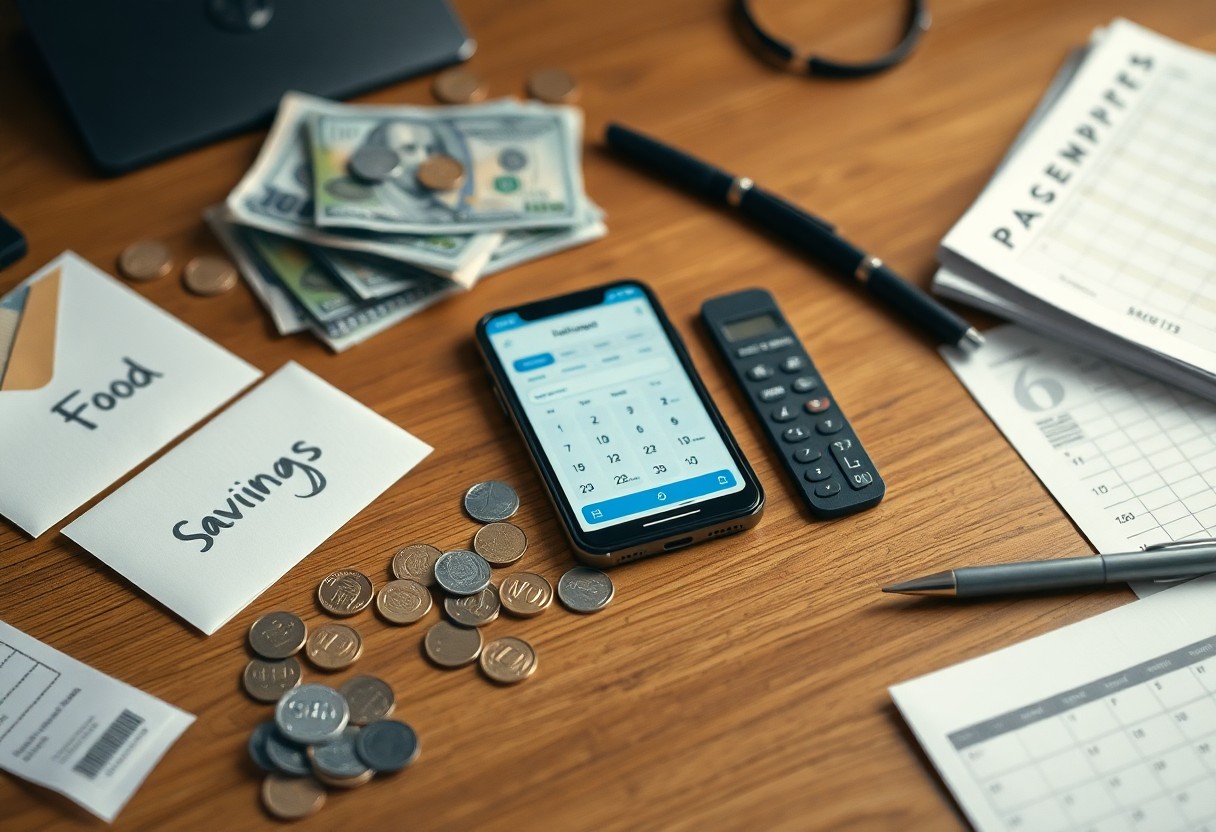
- Use a small cash envelope or category for impulse buys to contain them.
Regularly Reviewing Your Budget
On a weekly or monthly cadence, you should compare actual spending to your plan, reassign overspent categories, and adjust limits for upcoming needs so your daily budget reflects reality and improves with practice.
Staying Flexible with Adjustments
Sticking to an unbending plan can cause frustration, so you should permit occasional reallocations, shift funds between categories, and set short-term pauses on nonimportant allocations when priorities change.
In addition, build a small contingency buffer (for example 5-10% of your daily allotment), track adjustments to spot patterns, and treat flexibility as part of disciplined budgeting rather than a failure.
To wrap up
Taking this into account, the best daily budgeting method for beginners is one you can sustain: set a simple spending cap, allocate daily or weekly allowances for vitals and goals, track transactions quickly, adjust as needed, and automate savings to reduce decision fatigue; by keeping your categories few and reviewing weekly, you build habit and control without overwhelm.