What Is the Psychology Behind Daily Spending and Impulse Purchases?
Many everyday purchases stem from a mix of cognitive biases, emotional triggers, habit loops and environmental cues that shape how you value immediate rewards over long-term goals. Your decisions are swayed by scarcity signals, social proof, marketing design, and decision fatigue, while dopamine-driven reward systems reinforce impulsive buys. Understanding these mechanisms gives you control to redesign your environment, set friction for impulsive actions, and align spending with your priorities.
Understanding Daily Spending
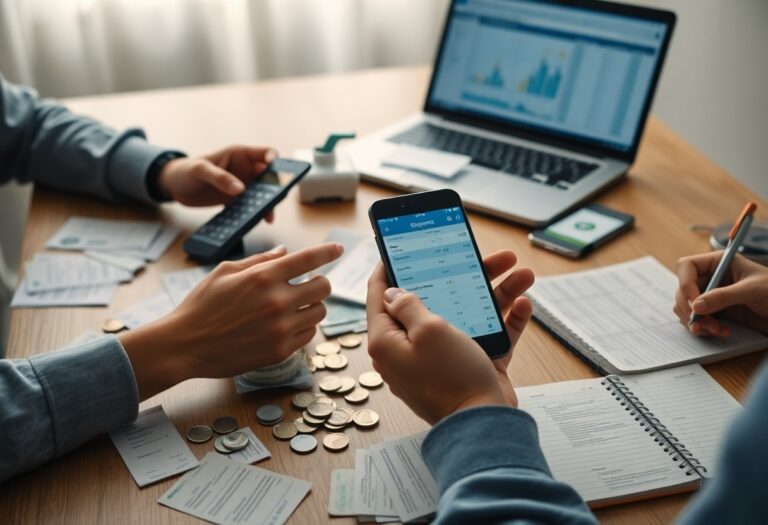
To manage daily spending, you must see it as a series of small, habitual choices shaped by routines, social cues, and access to funds; these micro-decisions compound into significant financial outcomes. You can map patterns, set simple rules, and redesign friction points so everyday purchases better align with your goals and prevent unintended budget creep.
The Role of Emotional Triggers
Behind many impulse buys are emotional triggers-stress, boredom, celebration, or identity signaling-that override your planned intentions. When you shop to regulate mood or gain social approval, you prioritize immediate emotion relief over future costs; identifying those triggers lets you substitute healthier responses and reduce impulsive spending.
Cognitive Biases in Spending Behavior
Below common cognitive biases-present bias, anchoring, loss aversion, and social proof-distort how you perceive value and time, making short-term rewards seem more attractive than long-term benefits. These mental shortcuts simplify decisions but often increase spending unless you introduce deliberate checks like budgets, delay tactics, and systematic comparisons.
It helps to apply practical countermeasures: set default budgets, enforce cooling-off periods, automate savings, and require objective price comparisons so you interrupt biased habits; by redesigning choice architecture and building small safeguards, you reduce bias-driven errors and keep spending consistent with your financial priorities.
The Nature of Impulse Purchases
You make many small purchases driven more by emotion, context, or convenience than by planned need, and these momentary choices accumulate into significant daily spending that reflects how marketing, social cues, and immediate rewards shape your financial behavior.
Definitions and Examples
After a quick browse you might pick up an item because of appealing packaging, a sale tag, or a suggested add-on; impulse purchases are sudden, minimally planned buys-snacks, app extras, or spur-of-the-moment clothing-that reveal how situational triggers override your longer-term intentions.
Psychological Factors Influencing Impulse Buys
Beside emotional triggers, several psychological factors reliably nudge you into impulsive buying:
- Emotional regulation – buying to improve mood.
- Scarcity and urgency – limited offers spark immediate action.
- Social proof – others’ choices validate quick purchases.
Any effective approach for you reduces exposure to triggers, inserts delay, and replaces instant rewards with planned alternatives.
Impulse spending also stems from cognitive limits and environment:
- Decision fatigue – you shortcut choices when tired.
- Default conveniences – one-click options favor impulse.
- Environmental cues – displays and notifications prompt buys.
Any practical tactic you can use is to add friction to purchases, set precommitment rules, and redesign cues to support your spending goals.
The Impact of Marketing and Advertising
There’s a systematic use of color, timing, personalization, and social cues in advertising that alters how you perceive value and scarcity, nudging small, frequent purchases into habit; repeated exposure, tailored offers, and emotional framing shorten your decision window and make impulse buys feel reasonable, so understanding these tactics helps you spot when marketing is steering your spending away from your priorities.
Techniques that Drive Impulse Purchasing
Purchasing environments use anchors, decoys, bundling, and limited-time labels to make choices feel urgent and sensible, while one-click checkout, push notifications, and strategically placed products remove friction so you act before fully evaluating need, meaning you often buy to avoid missing out rather than to meet genuine goals.
The Psychology of Consumerism
The psychology of consumerism ties purchases to identity, mood, and social signaling: you seek novelty and status, get dopamine rewards from instant gratification, and compare yourself to curated lifestyles, which makes spending feel like self-expression rather than a financial decision.
Drive toward consumption is maintained by habit loops and variable rewards-environmental cues trigger cravings, buying delivers immediate relief, and loss aversion or sunk-cost thinking keeps you repeating patterns; you can interrupt this by adding friction, using time delays, setting clear spending intentions, and redesigning your environment to reduce triggers.
The Consequences of Impulse Buying
Keep impulsive purchases can quietly chip away at your financial stability and self-control, leaving you with mounting items of little lasting value, disrupted plans, and a weakened ability to resist similar urges in the future.
Financial Implications
By favoring immediate gratification, you increase the risk of overspending, depleted savings, higher credit use, and missed opportunities to invest in priorities that matter to your long-term goals.
Emotional and Psychological Effects
On an emotional level, you may feel guilt, anxiety, or shame after impulse buys, which can lower self-esteem and prompt further purchasing as a short-term mood fix.
Effects often include chronic stress, a numbed or distorted relationship with possessions, and impaired decision-making; as you use shopping to soothe feelings, the cycle deepens and can undermine your overall well-being.
Strategies for Managing Spending
Now you can reduce impulse purchases by setting simple rules: delay nonimportant buys, limit payment methods, design routines that bias you toward planned choices, and track outcomes so you refine what works for your habits.
Techniques for Self-Regulation
To control impulses you should build short pauses, use implementation intentions (“If I want X, then I will Y”), replace impulse behaviors with alternative actions, and enlist accountability through apps or a trusted friend to sustain new habits.
Budgeting and Planning Approaches
The budgeting approach you adopt-zero-based, envelope, percentage allocations, or automated split-gives your money clear roles, reduces decision fatigue, and makes it easier for you to spot and curb impulsive spending.
For instance, you can automate bills and savings, keep a disposable spending bucket for day-to-day purchases, run weekly mini-reviews to identify leaks, and reassign surplus to goals so your system nudges you away from unplanned buys.
The Role of Technology in Spending Habits
Once again technology reshapes how you spend by removing friction: digital wallets, one-click checkouts and stored cards make purchases immediate, while personalized offers and push notifications nudge you toward repeat buys; automatic renewals and subscription models normalize recurring costs, and data-driven recommendations can subtly steer your preferences unless you impose deliberate limits.
Mobile Payments and E-commerce
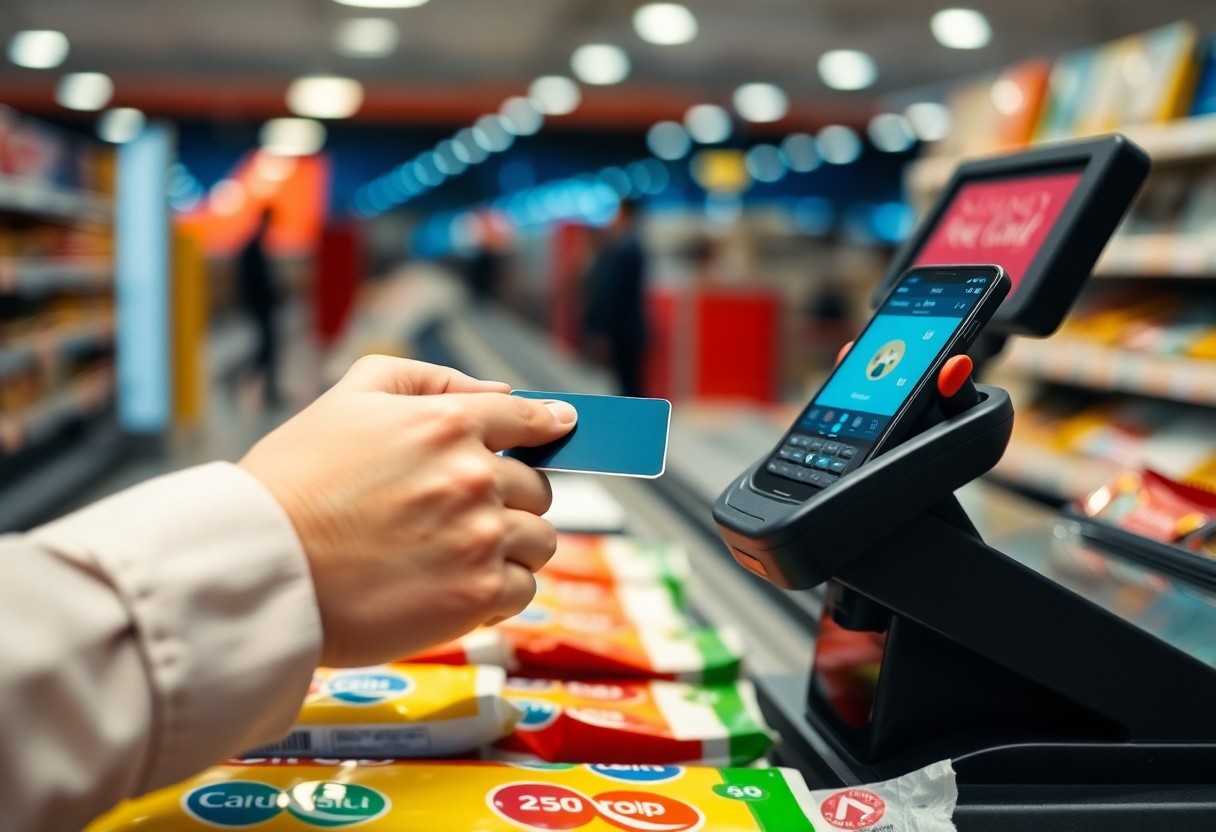
Any tap-to-pay or saved-card transaction reduces the psychological cost of payment, so you often spend more freely; mobile apps streamline discovery, use urgency cues and tailored discounts to prompt fast decisions, and in-app purchasing blurs browsing with buying, requiring you to set budgets or intentional pauses to prevent impulse escalation.
The Influence of Social Media on Consumption
Between algorithmic feeds and influencer endorsements, social platforms frame products as desirable social signals, triggering comparison and FOMO that pushes you to acquire items to express identity; shoppable posts and targeted ads convert inspiration into instant purchases you encounter repeatedly throughout your day.
Habits formed on social media link engagement rewards to consumption: likes and comments reinforce product choices, social proof amplifies perceived value, and curated lifestyles create ongoing desire, so you should monitor exposure, mute promotional content, and create friction before buying to weaken automatic responses driven by social cues.
Final Words
Following this overview, you can recognize how emotional triggers, cognitive biases, and social cues shape daily spending and impulse purchases; by tracking patterns, setting clear goals, and creating friction for impulsive choices, you regain control of your finances and make decisions aligned with your priorities.