What Is a Daily Budget Method for People Who Hate Spreadsheets?
There’s a straightforward daily budget method that helps you control spending without spreadsheets: allocate a set cash or app-based allowance each morning, track purchases briefly, and adjust the next day’s limit based on priorities and upcoming bills. This habit forces small, consistent decisions, simplifies saving and debt paydown, and keeps you accountable while avoiding complex tools-ideal if you want financial clarity with minimal friction.
Understanding Daily Budgeting
For people who dislike spreadsheets, daily budgeting breaks your monthly plan into bite-sized spending limits you set and check each day, making tracking simple and helping you control cash flow without complex tools.
Definition of Daily Budget Method
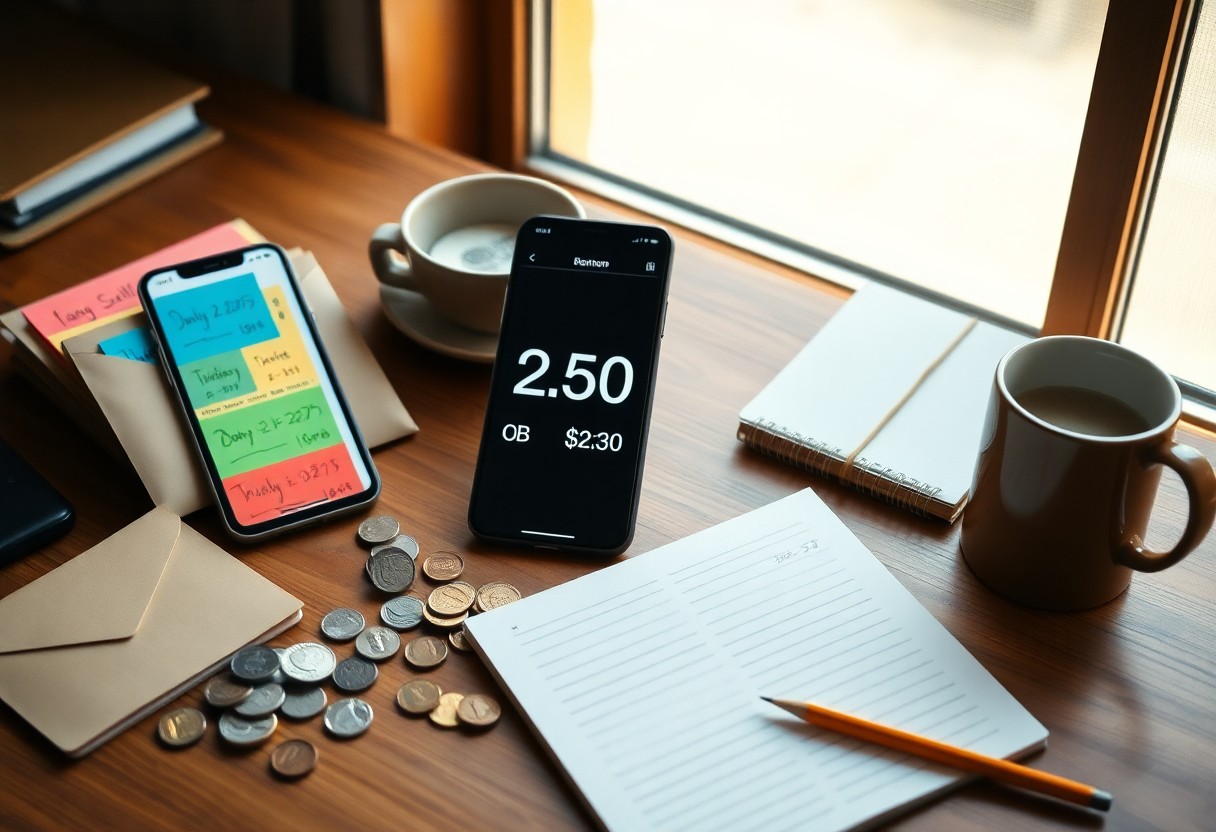
Along the lines of a running total or envelope approach, the daily budget method gives you a fixed amount to spend each day derived from your income, bills, and savings targets, so choices become quick and predictable.
Benefits of Daily Budgeting
On a practical level, daily limits help you avoid overspending, adapt to unexpected costs, and build saving habits by turning decisions into small, manageable actions you can review every day.
Benefits include clearer mental accounting that makes your spending intentions visible, reduced decision fatigue because you evaluate purchases against a modest daily allowance, faster habit formation as you track daily progress, and simpler reconciliation since you review short periods instead of long spreadsheets.
Common Misconceptions about Daily Budgeting
Now you may assume daily budgeting is restrictive or only for spreadsheet fans, but it simplifies choices by breaking money into bite-size amounts, reveals small leaks, and gives you daily clarity about what you can spend, save, or redirect toward your goals.
It’s Only for the Financially Strapped
Around the belief that only financially strapped people use daily budgets, you should know daily limits help earners and savers alike balance wants and goals, prevent impulse buys, and make steady progress without complex forecasting.
Requires Extensive Financial Knowledge
Daily budgeting does not demand deep financial expertise; you can start with a simple per-day allowance, a few categories, and a single tracking note, then adjust as you learn from patterns rather than spreadsheets.
Indeed you can use practical tactics-set category caps, automate transfers, pick round daily amounts, or try the envelope method-so you focus on habits and decisions, see quick wins, and shift your spending toward what matters most to you.
Daily Budgeting Techniques for Non-Spreadsheet Users
The best non-spreadsheet budgeting methods focus on simple daily rules you can follow: set a small daily spending limit, split fixed and flexible costs, track receipts, and adjust weekly so you stay aligned with your goals without complex tools.
Using Envelopes and Cash
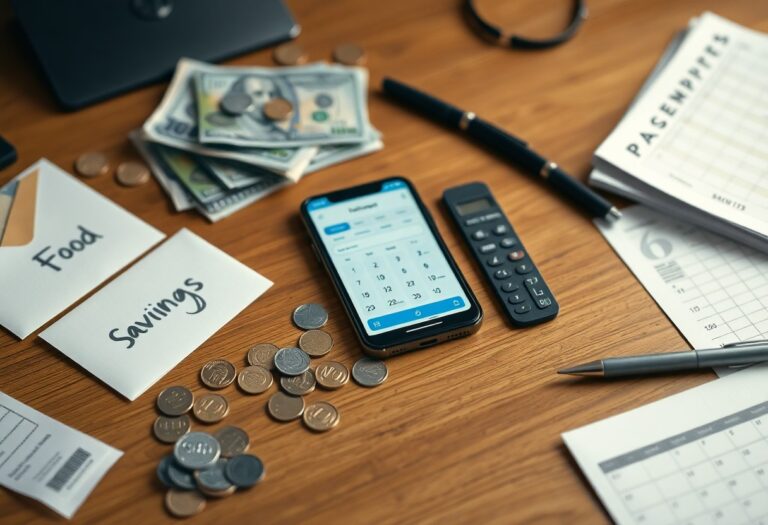
Below, using envelopes and cash makes allocations tangible: you assign a daily or category amount to each envelope, carry only what you need, record spending on the envelope or a note, and reconcile at day’s end to keep your totals accurate.
Mobile Apps for Daily Tracking
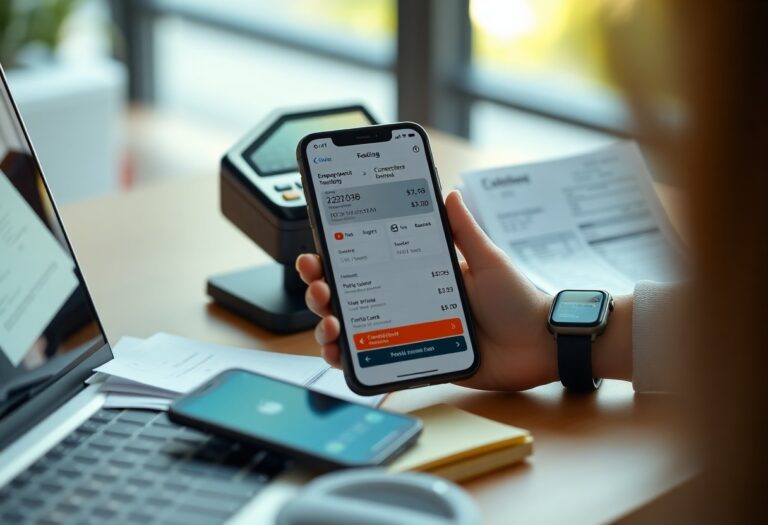
Budgeting apps let you set daily limits, categorize transactions automatically, and send timely alerts so you can check balances briefly each day and adjust your spending behavior before it escalates.
Daily use of a well-chosen app pairs notifications, quick entry methods, and visual summaries; pick one that syncs with accounts, supports manual cash entries, and offers customizable daily goals so you can act immediately on overspending and refine your plan.
Setting Up Your Daily Budget
Your setup should be simple: list fixed monthly obligations, estimate average variable costs, and divide totals by the days in your pay cycle to create easy daily targets you can follow without spreadsheets.
Estimating Daily Income
With irregular income, average your receipts over several months and divide by days; if you receive steady pay, use your net pay after taxes and include any predictable side income so your daily figure is realistic.
Allocating Daily Expenses
Setting clear daily limits by category-necessarys, savings, and discretionary-helps you spend intentionally; give priorities fixed amounts, let small leftovers cover fun, and review weekly to keep this simple system working for you.
Estimating category percentages (for example, 50% necessarys, 20% savings, 30% flexible) gives you a starting point; track actual spend for two weeks, tweak allocations to fit your life, and keep a modest daily buffer to handle surprises without spreadsheets.
Staying on Track with Your Daily Budget
Despite busy days and unexpected expenses, you can keep to your daily budget by setting realistic limits, automating small transfers to a spending account, and choosing one simple tracking method you actually use; checking balances daily makes small adjustments manageable and reduces impulse buys.
Tips for Avoiding Overspending
With small, practical rules you prevent leaks in your spending:
- Plan a modest daily allowance for treats
- Use cash or a prepaid card for everyday purchases
- Pause 10 seconds before nonimportant buys
Any time you spot a pattern of overspending, tweak one habit to regain control.
Regularly Reviewing and Adjusting Your Budget
Adjusting your daily budget weekly helps you spot trends and reallocate funds for upcoming events; set a five-minute review to compare actual spend to plan, tweak categories, and set a tiny goal for the next week so your budget stays practical and aligned with your priorities.
Avoiding drift requires monthly trend checks, clear categorization of irregular expenses, and simple rules for one-offs; use a single log or app you consistently open, then adjust daily limits based on patterns and upcoming obligations so you maintain momentum without extra complexity.
Summing up
Presently the daily budget method gives you a simple, low-friction way to control spending without spreadsheets: you break your monthly income into daily spending limits aligned with goals, use envelopes, a basic app or automated transfers, and check totals briefly each day so you adapt quickly and avoid overspending while keeping budgeting painless.