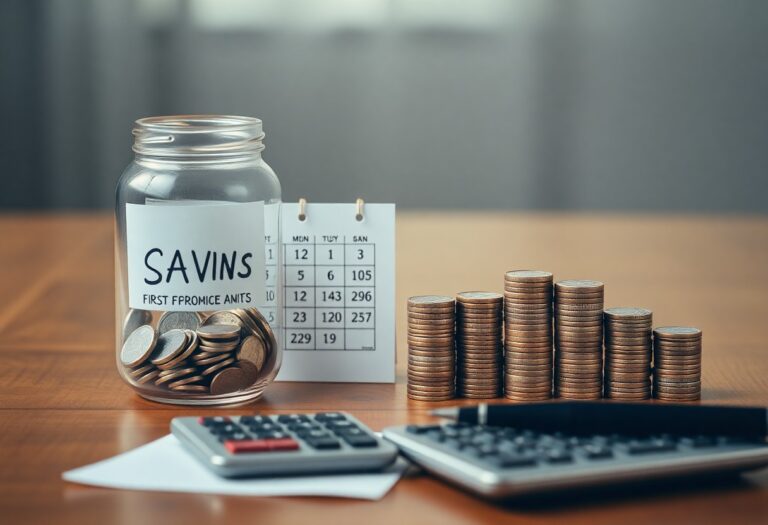
How Can You Create a Daily Spending Limit That Feels Realistic?
Most people create a practical daily spending limit by tracking expenses for two weeks, calculating your average discretionary budget, and setting a flexible per-day amount aligned with savings goals; you then test it for a month, tweak for irregular bills, and enforce it with simple tools like rounding, envelopes, or alerts.
Understanding Your Financial Situation
The best way to set a realistic daily spending limit is to map your entire financial picture: income, fixed bills, savings goals and debts. When you quantify what comes in and what must go out each month, you can derive a daily cap that supports your priorities while preventing unexpected shortfalls.
Assessing Income and Expenses
Your assessment should list all income sources, recurring obligations, and variable expenses across several months to reveal patterns. Tally imperatives versus wants, include taxes and irregular costs, and calculate the net amount you genuinely have available to allocate per day.
Identifying Discretionary Spending
An honest audit of discretionary spending exposes the small habits that raise your daily cost, from subscriptions to impulse purchases. You should track these expenses for a month, categorize them, and determine which align with your goals before folding them into your daily limit.
Even after tracking, you should apply practical controls: set capped categories (dining, entertainment), establish per-item thresholds, use a daily or weekly allowance system, and review spending monthly to reassign funds as your needs and priorities evolve.
Setting Realistic Goals
There’s no one-size-fits-all daily limit; set goals that reflect your income, fixed expenses, and priorities so the limit feels doable and sustainable. Break monthly targets into daily amounts, account for occasional splurges, and create measurable checkpoints so you can track progress and adjust without guilt.
Short-Term vs. Long-Term Goals
Behind short-term goals like groceries or transport are behaviors you can change quickly to see immediate wins, while long-term goals such as building an emergency fund or saving for a down payment require consistent daily discipline; you should balance quick wins that motivate you with milestones that steer your broader plan.
The Importance of Flexibility
An effective daily limit includes built-in flexibility for unexpected expenses, price changes, and social events so you don’t derail momentum; build buffer days, use rolling averages, or allocate a small discretionary fund to protect progress while keeping the plan realistic.
Plus, flexibility means regularly reviewing outcomes and adjusting targets-check weekly spending, raise or lower your daily cap when patterns emerge, and treat adjustments as data-driven improvements rather than failures to maintain confidence in your plan.
Creating Your Daily Spending Limit
Now set a daily spending limit by tallying your income, fixed costs, and savings targets, then divide the remaining flexible budget by days; adjust for irregular bills, upcoming events, and a modest buffer so your limit stays realistic and sustainable.
Calculating Your Limit
With a clear formula-income minus fixed expenses minus savings-to find your flexible monthly amount, divide that by the days you wish to cover; categorize discretionary spending and reallocate to smooth high-cost days so your daily cap reflects real life.
Tools and Techniques for Implementation
The easiest techniques to enforce your limit include budgeting apps that track transactions, automated transfers to a spending account, cash envelopes for categories, merchant alerts, and daily check-ins so you stay responsible and can adjust quickly when needed.
A practical approach is to pair an app for real-time tracking with small weekly reviews: set category alerts, automate savings, cap restaurant and entertainment spend, and test a cash envelope for one category for a month to see where you need to tighten or relax your daily limit.
Tracking Your Spending
Your starting point is logging every purchase so you can see patterns; categorize expenses, compare them to your income, and run quick weekly reviews to adjust limits where needed, ensuring your daily cap reflects what you actually spend rather than an idealized number.
Daily Habits to Monitor Expenses
Between quick end-of-day checks and immediate logging of purchases you make a big difference: keep receipts, use a single app or notebook for consistency, pause before impulse buys, and review your day’s totals to spot small leaks that add up.
Using Technology for Tracking
Above all, use apps that sync with your bank and cards so transactions auto-import, set alerts for nearing limits, tag recurring expenses, and rely on visual dashboards to see daily progress toward your spending goal.
Further, take advantage of features like custom categories, scheduled reports, CSV exports, and multiple-account syncing so you can analyze trends over weeks, adjust categories where you overspend, and fine-tune your daily limit based on concrete data.
Adjusting Your Spending Plan
Despite having a daily cap, you should treat your spending plan as flexible: monitor patterns, allow a modest buffer for variable days, and shift funds between categories when priorities change. Tweak daily limits gradually, set review dates, and automate small transfers to savings so you can keep the plan realistic without sacrificing progress toward larger goals.
Evaluating and Revising Your Limits
Above all, you evaluate limits by tracking breaches and wins over several weeks, comparing spending to income, and asking whether each cap supports your goals; if you consistently overspend, lower nonimperative allocations or extend the adjustment period, and if you underspend, reassign surplus to debt or savings to optimize your plan.
Addressing Unforeseen Expenses
After an unexpected cost, you immediately prioritize imperatives, tap a designated buffer or short-term sinking fund, reduce discretionary spending for a few days, and avoid high-interest borrowing; communicate any shared financial impact and plan how to restore your reserve within a set timeframe to minimize disruption.
With a clear system, you build resilience: allocate a small, recurring amount to an emergency buffer, create separate sinking funds for likely irregular expenses, automate replenishment after use, and set simple triggers (like reserve < 50%) that prompt temporary daily-limit reductions until balances recover.
Maintaining Motivation and Discipline
For you to maintain a daily spending limit, create simple routines, automate tracking, and set clear short-term targets tied to what matters most; treat small slips as data to adjust your plan, and use consistent habits so discipline becomes automatic rather than a daily battle.
Strategies for Staying on Track
Along the way, use practical tactics you can sustain: schedule brief weekly reviews, set alerts or spending buckets, pre-plan discretionary purchases, and reduce impulse triggers; if you overspend, shift nonimperatives or adjust the next day’s limit so you preserve progress without abandoning the habit.
Celebrating Your Financial Achievements
Between milestones, celebrate wins in ways that reinforce your goals: give yourself low-cost treats, budgeted experiences, or a set percentage of savings as a reward so you feel progress and strengthen your commitment to the daily limit.
With celebrations, establish clear rules so rewards don’t undermine your progress: cap frequency, tie rewards to measurable achievements, prefer non-monetary or budgeted splurges, and log each reward so you can track how incentives support long-term financial behavior you want to keep.
Final Words
From above, you can set a realistic daily spending limit by calculating your net income, subtracting fixed bills and savings goals, then dividing the remainder by days; allocate a modest buffer for unexpected costs, assign a small daily discretionary amount, automate savings and bill payments, track spending for two weeks to refine the number, and adjust monthly as your income or goals change so the limit fits your life without feeling restrictive.