
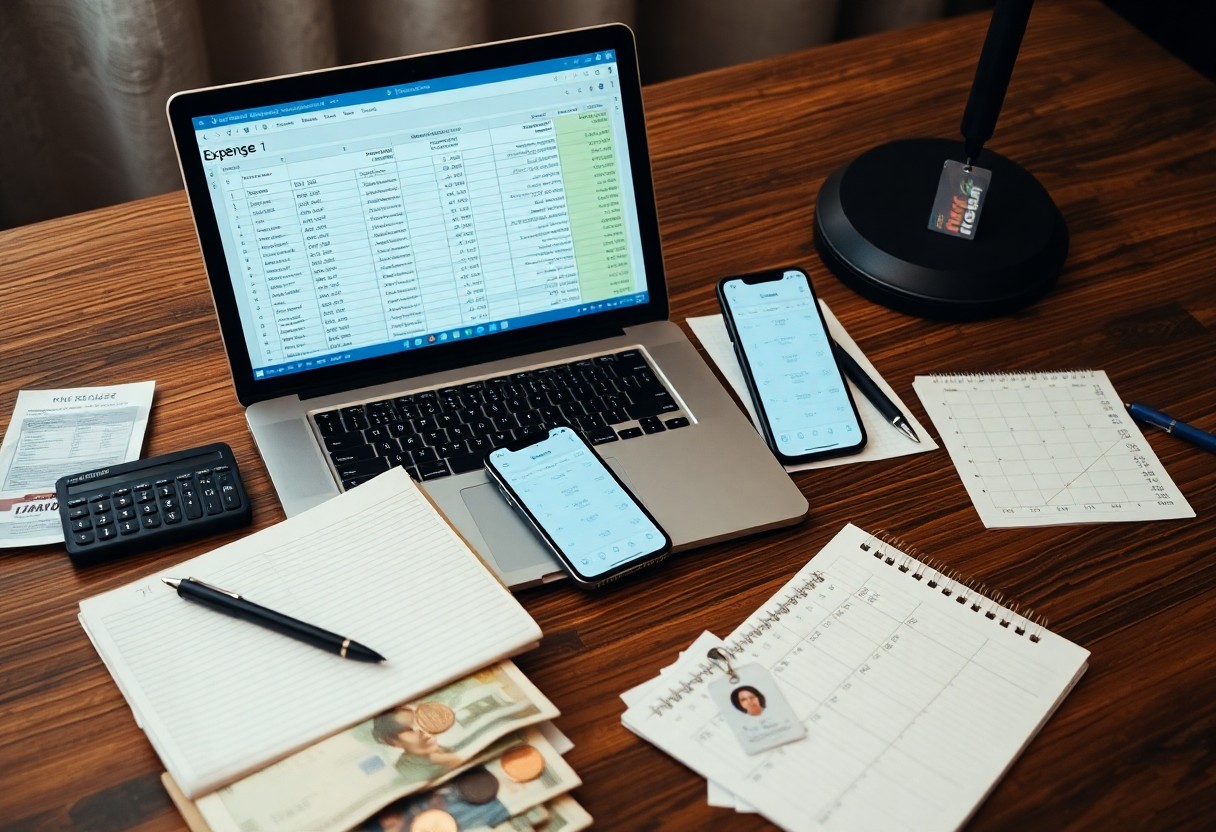
How Should Students and First Job Earners Budget Daily?
Students like you should treat daily budgeting as a simple, consistent habit: track income and fixed expenses, assign spending limits for imperatives and discretionary items, save a set percentage of your earnings, and use envelopes or apps to enforce limits; adjust allocations weekly, prioritize emergency savings, avoid impulse buys, and review progress monthly to build financial discipline and reach short- and long-term goals.
Understanding the Importance of Budgeting
While managing limited funds and competing priorities, you need a clear budget to control spending, prioritize goals, and build financial confidence; it helps you track income and outgoings, avoid unnecessary debt, and consistently allocate savings for necessarys and future plans.
The Benefits of Budgeting for Students
Budgeting lets you see where your money goes, prioritize rent and textbooks, limit impulse purchases, and set aside an emergency buffer; by planning weekly or monthly you reduce stress, make smarter choices, and fund study resources or experiences without derailing your finances.
The Role of Budgeting for First Job Earners
On starting your first job, convert income into a plan that balances living costs, savings, loan repayment, and lifestyle; disciplined budgeting lets you build an emergency cushion, increase retirement contributions, and reach short-term goals while maintaining financial stability.
Also you should track recurring subscriptions, automate transfers to savings and investments, review your budget quarterly, adjust allocations as your income rises, and resist lifestyle inflation so you can accelerate debt payoff and long-term wealth building.
Assessing Income and Expenses
Clearly, you should tally all income and outflows to build a realistic daily budget: list salary, scholarships, side gigs and irregular earnings, then map them against monthly bills, subscriptions and typical variable spending so you know how much you can safely allocate each day.
Tracking Your Income Sources
Any source of income matters: record paychecks, freelance earnings, stipends and one-time payments, note net amounts and payment dates, calculate a monthly average, and update regularly so you can forecast reliable daily cash available for spending and saving.
Identifying Fixed vs. Variable Expenses
Your fixed obligations-rent, loan payments, insurance and subscriptions-should be met first; variable costs like groceries, transport and entertainment need daily limits, so set firm allotments and monitor spending to prevent surprises.
Income shapes how you separate fixed and variable expenses: label each, total monthly costs, divide variable totals by 30 to set a daily allowance, use apps or envelopes for control, and adjust allocations when your income or obligations change.
Creating a Budgeting Plan
Some simple steps help you turn irregular student or entry-level income into reliable daily spending: list fixed costs, set aside emergency and savings buckets, allocate a daily spending allowance, and log small purchases to plug leaks; review weekly and adjust your plan when income or commitments change so you always know what you can spend.
Setting Financial Goals
Across short- and long-term horizons, you should define clear, measurable goals-emergency fund, tuition, tools, or paying down a card-assign timelines and monthly targets, then direct any surplus toward the highest-priority goal so your daily budget aligns with what you want to achieve.
Choosing a Budgeting Method
The 50/30/20, zero-based, and envelope systems each fit different incomes and habits; pick one by assessing how strictly you want to track, whether you prefer category flexibility or cash discipline, and choose a method you can sustain while covering necessarys and saving consistently.
And when you trial methods, track for a month, compare your stress levels and actual savings, mix approaches if helpful (for example zero-based budgeting with envelopes for variable spending), and automate bills and transfers so the method enforces your priorities with minimal daily effort.
Tools and Resources for Budgeting
Many students and first-job earners rely on a mix of free and paid tools to track spending, set goals, and automate savings; you should evaluate apps, spreadsheets, and bank features to match your habits, ensuring your system is simple, sustainable, and aligned with your short- and long-term priorities.
Digital Budgeting Apps
To manage daily expenses, you can use apps that sync with your accounts, categorize transactions, set spending limits, and send alerts; choose one with strong security, a clear interface, and features that fit your routine, then review data weekly to refine your budget.
Traditional Budgeting Methods
Methods like envelope budgeting, paper-ledger tracking, and simple spreadsheets give you tactile control over cash flow; you can allocate cash for categories, manually record purchases, and visually see where adjustments are needed without relying on digital tools.
But if you use traditional methods, you should apply consistent review habits, reconcile physical records with bank statements, and consider hybridizing with a basic app to capture recurring payments and reduce human error while keeping hands-on oversight.
Tips for Sticking to Your Budget
Despite daily temptations, you can stick to your budget by planning ahead and checking balances; practical steps include:
- set a modest daily spending cap and carry only needed cash
- track every purchase in an app or notebook
- automate transfers to savings before spending
Recognizing small, consistent choices prevents overspending and builds confidence in your financial habits.
Avoiding Impulse Purchases
About impulse purchases, you can curb them by applying a 24-hour rule, keeping a shopping list, unsubscribing from sales emails, and using cash for discretionary buys so you pause and evaluate need before paying.
Regularly Reviewing Your Budget
Before you assume consistency, schedule weekly quick checks and a monthly deep review to compare planned versus actual spending, adjust categories, and reallocate funds to meet goals.
Hence you should analyze trends, identify recurring drains like subscriptions, update your goals after major life changes, set realistic buffer amounts, and use simple charts or apps so adjustments are timely and keep you on track.
Adjusting Your Budget as Needed
Not every month will follow your original plan; when your income, housing, or course load shifts, update your daily allocations. You should review subscriptions, adjust food and transport limits, and rebalance savings versus debt payments so your daily spending reflects current reality and prevents surprises.
Recognizing Life Changes
Recognizing life changes like graduation, a new job, a move, or loan repayment lets you reset priorities. You should reassess fixed versus flexible costs, boost or reduce monthly savings, and perform a brief monthly review to align daily limits with your evolving goals.
Adapting to Financial Challenges
One unexpected expense or pay cut doesn’t have to derail you: trim discretionary spending, postpone low-priority purchases, and renegotiate recurring bills. You should scale back automatic transfers temporarily and focus on vitals while rebuilding buffer funds.
Budget more granularly during setbacks: create a 30-day survival plan, allocate a mini emergency fund for immediate needs, prioritize high-interest debt, and set small weekly goals to restore savings. You should also seek short-term income boosts like gig work or selling unused items to accelerate recovery.
Final Words
Considering all points, you should build a simple daily budget that tracks income, fixed commitments, necessarys, savings, and flexible spending; prioritize an emergency buffer, automate transfers, log expenses each day, and review weekly to adjust. By keeping goals clear, using small habit changes, and avoiding impulse purchases, you’ll steadily grow financial confidence while living within your means.


