How Much Cash Should You Carry Daily Without Overspending?
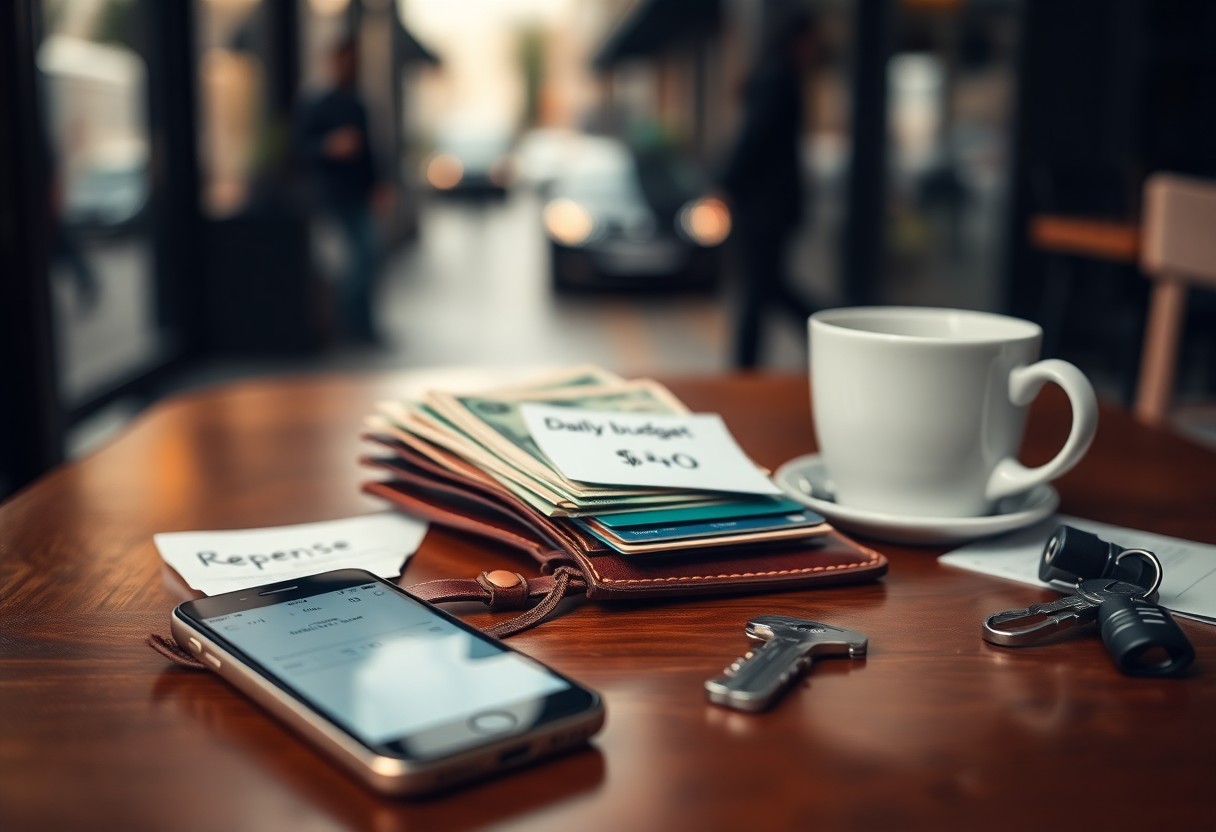
Just decide a daily cash amount by tracking your typical expenses, allocating for routine small purchases and a modest emergency buffer, and converting that into an envelope or wallet limit you commit to; carry only what you plan to spend that day plus about 10-20% for unexpected small needs, review weekly, and adjust as your habits change.
Understanding Daily Expenses
Before you decide on a daily cash amount, list predictable outflows like transit, coffee, lunch, and small fees so you can total typical daily spend and set a practical cash limit that prevents overspending while covering necessities.
Fixed Expenses
After tallying monthly commitments such as subscriptions, loan payments, or season passes, divide their daily equivalent so you can factor these predictable costs into your daily cash target and avoid underfunding vital payments.
Variable Expenses
For flexible spending like dining out, tips, or impulse buys, estimate a reasonable buffer based on past weeks so you can control discretionary cash without sacrificing convenience or forcing card use for small purchases.
Indeed you should track peak days and adjust your cash buffer accordingly, using envelopes or a simple app to limit daily discretionary spending and prioritize transactions that give you the most value.
Setting a Cash Limit
Even when cards are convenient, you should set a clear daily cash cap that reflects your typical needs plus a small buffer for unexpected outlays; choose an amount that enforces discipline, matches your budget categories, and reduces impulse buys by forcing trade-offs, then adjust monthly as your routine or goals change so you don’t carry excess cash that tempts overspending.
Analyzing Your Budget
Setting aside time to review your fixed and variable expenses reveals how much cash you actually use each day; track transport, meals, small purchases and irregular items for a few weeks, calculate an average daily spend, then trim discretionary categories so your cash limit supports saving targets and realistic habits.
Establishing Daily Spending Goals
To make cash limits workable, break your weekly allowance into daily amounts tied to priorities-meals, transit, small treats-and carry only the denominations you’ll need; this helps you plan purchases, avoid change hoarding, and keep sight of what you can afford each day without dipping into savings.
But when special events or travel raise costs, temporarily raise your daily goal and set a short-term envelope or segregated pocket for those extra funds; use receipts or a quick tally app to monitor daily variance, review outcomes weekly, and tighten or relax your routine based on real spending patterns so you stay in control.
The Role of Cash in Budgeting
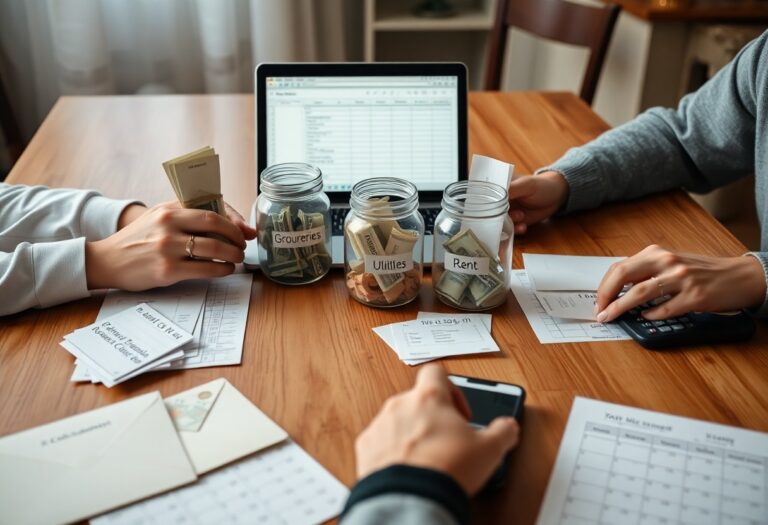
There’s a clear place for cash in your budgeting: it limits impulse card spending, helps you track daily outlays physically, and enforces spending categories when you allocate envelopes. By carrying a set amount you make trade-offs visible, which helps you stick to priorities and avoid accumulating small, unnecessary purchases.
Advantages of Using Cash
Against digital convenience, cash gives you tactile control and immediate feedback, so you can limit discretionary buys and prioritize crucials; you also avoid fees and reduce debt temptation, making it easier to meet your savings goals.
Avoiding Overspending Triggers
Overspending often follows convenience and emotion, so you should set a daily cash limit, pre-plan purchases, and remove payment apps that encourage one-click buys; these steps help you notice patterns and stop small impulses from becoming budget-busting habits.
This means carrying only what aligns with your planned spending categories, keeping receipts to review at day’s end, and adjusting the amount when you see recurring triggers; over time you learn which situations require more discipline or an alternative payment strategy.
Tips for Managing Daily Cash Flow
For steady daily cash control, follow practical steps and stick to them:
- Carry a preset amount aligned with planned expenses
- Use envelopes or separate pockets for categories
- Record small purchases and reconcile nightly
Knowing this helps you avoid impulse buys and adjust limits as your routine changes.
Keeping Track of Your Spending
An effective habit is recording every cash outlay immediately in a pocket notebook or a basic tracking app; you review totals weekly, identify spending patterns, and set modest daily targets so your cash lasts without overspending.
Adjusting Cash Limits Periodically
Flow of cash should be reassessed monthly or after schedule changes; you raise limits for travel days, lower them on quieter weeks, and base adjustments on actual spending trends rather than guesswork.
Cash adjustments should be data-driven: you track average daily use, set a small buffer (for example 15-25%), test a new limit for two weeks, and update it to reflect seasonal needs or one-off events.
Cash Alternatives and Digital Solutions
Not every purchase requires cash; you can use cards, mobile wallets, and contactless options to carry less while keeping control over your spending. Keep a small emergency buffer and set daily limits in your payment apps so you avoid overspending when digital options are unavailable.
Benefits of Digital Payment Methods
Around-the-clock access, instant receipts, budgeting tools, and fraud protection make digital payments efficient; they give you real-time spending visibility and let you freeze your cards or dispute charges quickly to protect your money.
When to Use Cash vs. Digital Payments
One simple rule is to use cash for small vendors, tipping, informal markets, or places with poor connectivity, and to use digital payments for larger purchases, subscriptions, and transactions where you want clear records and consumer protections.
Indeed, assess context: if you’re traveling, attending events, or visiting street markets carry more cash; for daily commuting, restaurants, and online shopping rely on cards and wallets, set a modest daily cash amount, and enable notifications to monitor and curb impulsive spending.
Conclusion
The optimal daily cash balance depends on your spending habits, local payment acceptance, and safety; you should carry enough to cover routine outlays, small emergencies, and situations where cards fail, while using a daily limit based on your budget, secure storage, and plans to avoid overspending and maintain financial control.